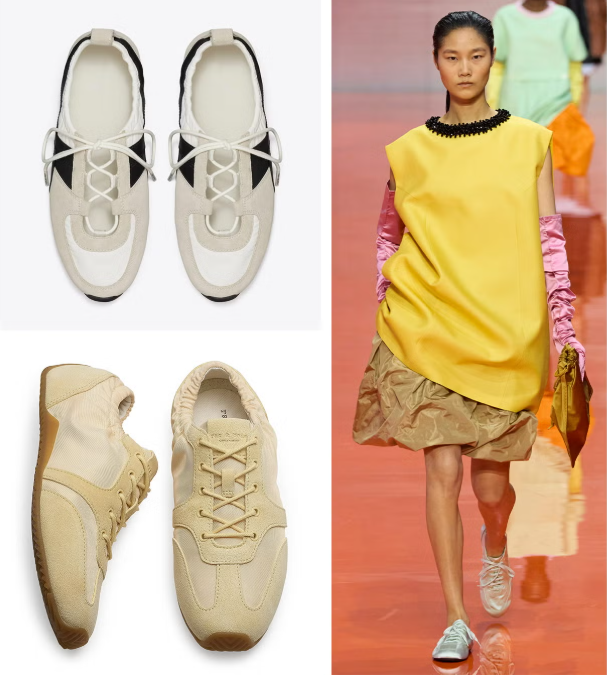
Somewhere between a ballet flat and a sporty sneaker lies fashion’s latest obsession: the ballet sneaker. Also known as “sneakerinas,” this hybrid shoe has quietly moved from niche runway experiment to full-blown wardrobe essential.
In 2026, they are no longer a fringe trend. Instead, they’ve become one of the most versatile and widely embraced footwear categories of the season—spotted on celebrities, street style stars, and designer runways alike. What makes them so compelling is their contradiction: they blend softness with structure, elegance with practicality, and nostalgia with innovation.
This is not just a passing experiment. It is a redefinition of everyday footwear.
The Rise of the Sneakerina: Why It Took Over
The ballet sneaker trend has been building for several seasons, but 2026 marks its strongest moment yet.
Originally inspired by balletcore aesthetics and early runway experiments, designers began merging the delicate silhouette of ballet flats with the functional sole of athletic sneakers. Early versions leaned sporty and chunky, but the latest evolution is much more refined.
Today’s sneakerinas are slimmer, lighter, and more elegant. Instead of heavy rubber soles, many styles now feature low-profile bases, flexible construction, and softened curves that echo traditional ballet slippers.
This shift reflects a broader fashion movement toward comfort-driven style—where practicality is no longer separate from aesthetics.
What Makes a Ballet Sneaker?
At its core, the ballet sneaker is a hybrid design.
It typically features:
- A low-profile sneaker sole
- A soft, flexible upper inspired by ballet flats
- Elastic laces, straps, or wraparound detailing
- Lightweight materials such as satin, mesh, or soft leather
Some versions lean more sporty, while others feel closer to delicate flats with subtle athletic undertones. The result is a category that is surprisingly diverse.
Recent collections from major fashion houses and sportswear brands have embraced this versatility, creating everything from satin slip-on styles to structured lace-up interpretations.
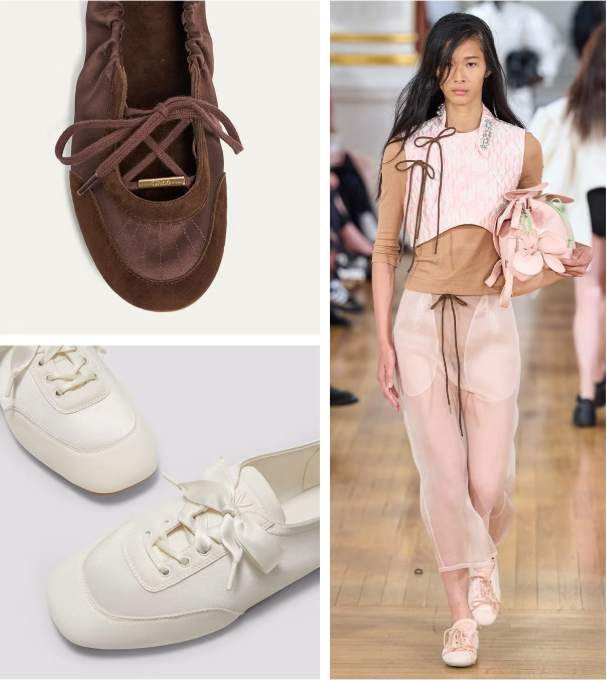
Key Trend Direction #1: Satin and Soft Feminine Textures
One of the most noticeable evolutions in 2026 is the rise of satin ballet sneakers.
These styles draw directly from traditional ballet slippers, using soft sheen fabrics in pastel tones like blush pink, baby blue, and ivory. The effect is elegant and slightly nostalgic, but grounded by the sneaker sole.
Designers are leaning into this contrast intentionally. The softness of satin is balanced by sporty construction, making the shoes feel dressy enough for skirts and dresses, but casual enough for denim and tailoring.
This is where the trend feels most “fashion-editor approved”—romantic but wearable.
Key Trend Direction #2: Sport-Inspired Ballet Hybrids
On the opposite end of the spectrum are sport-forward ballet sneakers.
These designs borrow heavily from retro trainers, incorporating streamlined silhouettes, breathable fabrics, and performance-inspired soles. Some even resemble slim running shoes, but with softened ballet-like shaping.
These versions are especially popular for everyday styling because they feel familiar. They can be worn exactly like sneakers, but offer a more fashion-forward edge.
They’ve become a go-to choice for those who want comfort without sacrificing style credibility.
Key Trend Direction #3: Mary Jane and Strappy Variations
Another major evolution in the sneakerina trend is the introduction of straps.
Mary Jane-inspired ballet sneakers add a delicate strap across the foot, while others feature crisscross lacing or adjustable bands that reference classical ballet footwear.
This detail instantly shifts the shoe from sporty to refined. Even when paired with casual outfits, the strap element gives a more intentional, styled appearance.
It’s a small design choice that significantly impacts how the shoe is perceived.
How People Are Styling Ballet Sneakers Now
What makes ballet sneakers so successful is not just the design—but the styling flexibility.
They are being worn in multiple ways depending on aesthetic preference:
1. With relaxed tailoring
Wide-leg trousers, oversized blazers, and structured coats create a polished contrast with the soft shoe silhouette.
2. With feminine pieces
Flowing skirts, slip dresses, and lightweight knits highlight the ballet-inspired side of the shoe.
3. With casual streetwear
Denim, hoodies, and simple tees turn ballet sneakers into an everyday staple rather than a statement piece.
4. With sporty layers
Leggings, shorts, and athleisure sets emphasize the sneaker element, leaning into comfort-first dressing.
The key styling principle is balance—letting the shoes either soften or sharpen the outfit depending on context.
Why the Fashion World Is Embracing Them
The popularity of ballet sneakers reflects a larger shift in fashion culture.
After years of chunky sneakers dominating street style, there is now a move toward slimmer, more refined silhouettes. At the same time, the demand for comfort remains high.
Ballet sneakers sit perfectly in the middle of these two needs. They are practical enough for daily wear, but visually interesting enough to feel intentional.
They also tap into multiple aesthetic trends at once: balletcore softness, sporty minimalism, and nostalgic design references.
This combination makes them one of the most commercially and stylistically successful hybrid shoes of the moment.
The Celebrity and Runway Effect
Much of the momentum behind ballet sneakers comes from their visibility in fashion media and celebrity styling.
They’ve appeared in runway collections across both luxury fashion houses and sportswear brands, signaling that the trend is not limited to one aesthetic category.
Off-duty celebrity styling has also played a role, with influencers pairing them with everything from tailored coats to casual denim looks. This versatility reinforces the idea that ballet sneakers are not a trend outfit piece—but a wardrobe foundation.
Best Types of Ballet Sneakers Right Now
Across the market, a few key silhouettes dominate:
- Satin lace-up sneakerinas with ballet-inspired detailing
- Minimal leather hybrid trainers with slim soles
- Mary Jane sneaker hybrids with straps
- Low-profile retro runner styles reimagined in soft palettes
- Mesh and breathable fabric versions for summer styling
Each variation serves a slightly different wardrobe need, but all fall under the same core idea: soft, wearable hybrids that bridge two footwear worlds.
Final Thoughts: A Hybrid Trend With Staying Power
Ballet sneakers represent more than just a fashion moment—they reflect a shift in how people dress today.
They are not about choosing between comfort and style anymore. Instead, they merge both into a single design language that feels modern, flexible, and highly wearable.
As fashion continues to move toward hybridization and versatility, it’s likely that sneakerinas will remain a key part of everyday wardrobes well beyond 2026.
Because in today’s style landscape, the most relevant shoes are no longer the most dramatic ones—but the ones you can actually live in.