More
    Home Blog

    How to Style a Floral Brooch in 2026: The Small Accessory Making a Big Fashion Comeback

    Once considered a delicate relic of vintage dressing, the floral brooch has quietly reemerged as one of fashion’s most versatile styling tools. No longer reserved for formalwear or heirloom collections, it has been reintroduced through runway styling, street style culture, and a broader shift toward expressive accessorizing.

    In 2026, the floral brooch is no longer just an ornament—it is a styling device. It can soften tailoring, elevate basics, add color to minimal outfits, or even replace more traditional jewelry entirely. What makes it so relevant right now is its ability to feel both nostalgic and modern at the same time.

    The key is not whether you wear one—but how you place it, and what you pair it with.


    The Return of the Brooch: From Vintage to Contemporary Statement

    The brooch’s comeback is part of a larger fashion movement away from quiet minimalism and toward more expressive personal styling. Once associated with formal occasions or older generations, brooches have been reinterpreted by designers as modern decorative tools.

    Florals in particular have become the most approachable version of this trend. Unlike abstract or geometric pins, floral brooches carry an immediate sense of softness and familiarity. They feel romantic, wearable, and seasonally appropriate—especially in spring and summer wardrobes.

    Design houses have also played a role in this revival, using floral motifs as part of their modern identity storytelling. The result is an accessory that now feels both heritage-driven and trend-aware.

    Styling Idea #1: The Classic Lapel Placement

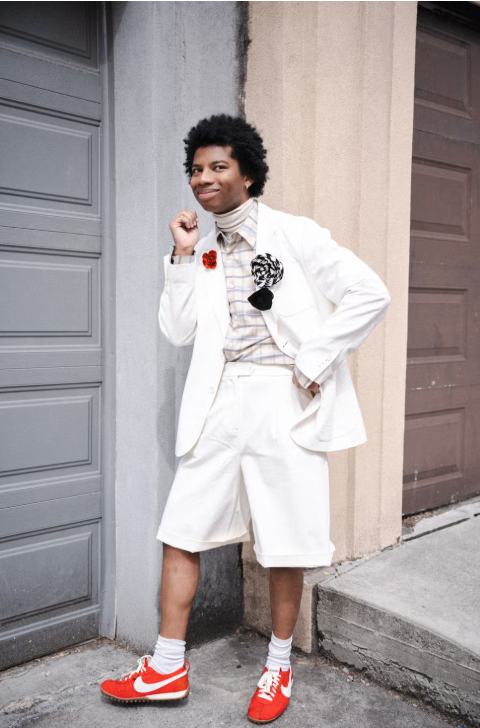
    The most timeless way to wear a floral brooch is still on the lapel of a blazer or coat. This placement instantly adds structure and personality to tailoring without disrupting its silhouette.

    A neutral blazer becomes more expressive with a single bloom pinned at the chest, especially when the rest of the outfit is kept minimal. This contrast is what makes the look feel modern rather than dated.

    For a slightly softer approach, floral brooches also work beautifully on cardigans, knitwear, or wool coats, where the texture allows the piece to feel integrated rather than decorative.

    This is the easiest entry point into the trend—and still one of the most effective.

    Styling Idea #2: Pin It to Everyday Basics

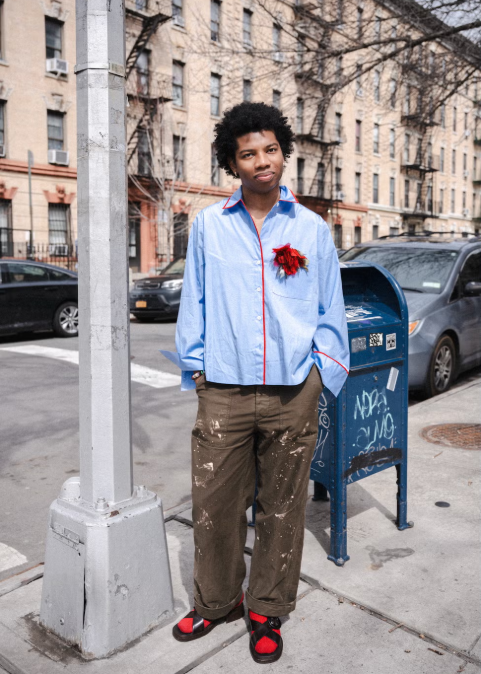
    One of the most relevant shifts in 2026 styling is the movement of brooches into casualwear. Instead of reserving them for formal outfits, fashion insiders are now pinning floral brooches onto everyday staples.

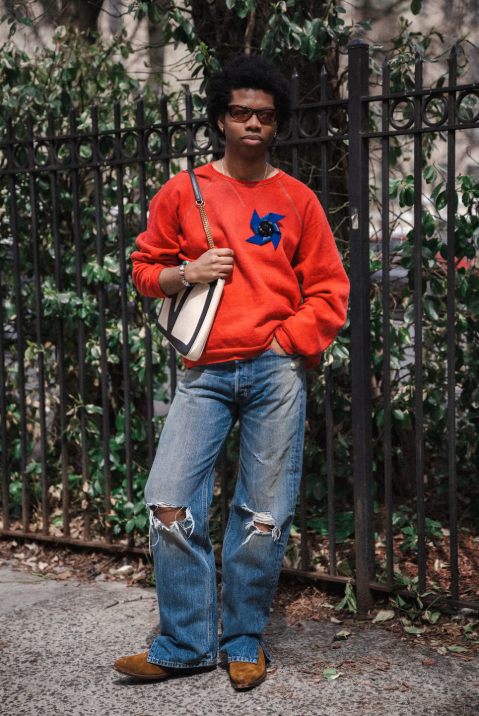
    A crisp white shirt becomes more interesting with a brooch placed near the collar or button placket. A simple crewneck sweatshirt instantly feels styled when a floral pin sits just off-center on the chest.

    This approach works because it elevates without overcomplicating. The brooch becomes the focal point, while the rest of the outfit remains grounded.

    It’s one of the easiest ways to make basics feel intentional.

    Styling Idea #3: Unexpected Placement for a Fashion Edge

    Beyond traditional positioning, the floral brooch trend has expanded into more experimental styling territory.

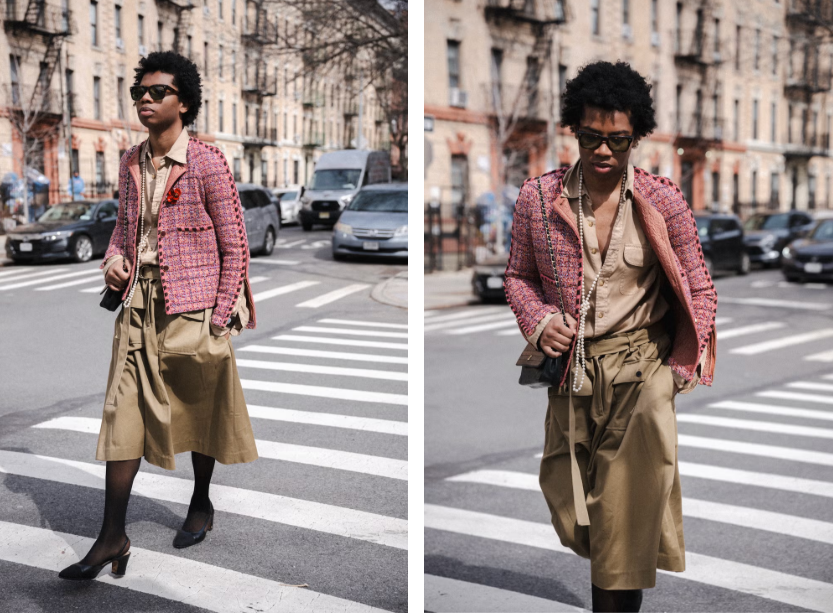
    Instead of just lapels and collars, it is now being pinned to:

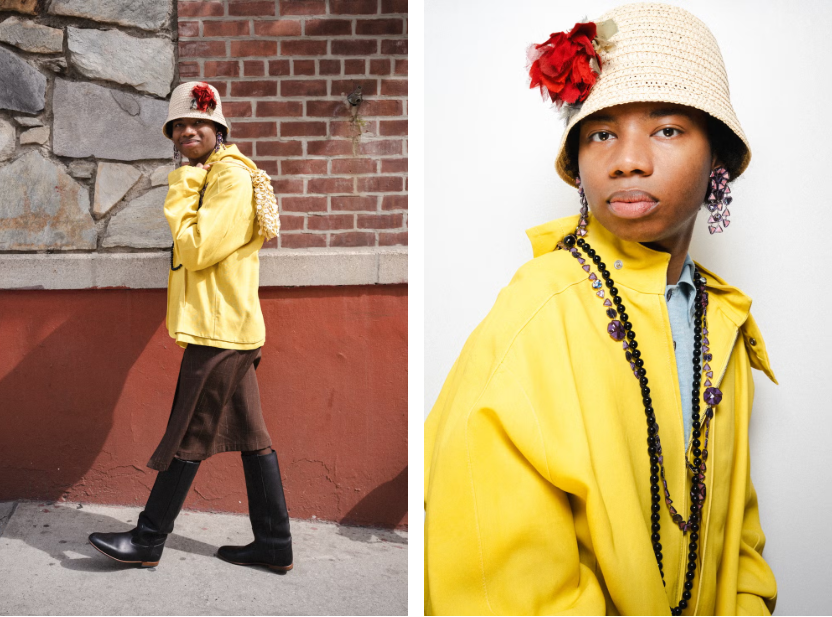
    • Hats and bucket hats
    • Bag straps and handbags
    • Belts or waistbands
    • Sleeves or cuffs
    • Scarves and wraps

    These unexpected placements turn the brooch into a styling accent rather than a fixed accessory. For example, pinning a floral brooch onto a straw hat adds a vacation-ready feel, while attaching one to a structured handbag creates a subtle but noticeable detail.

    This approach is especially popular among those who prefer understated outfits but still want a point of visual interest.

    Styling Idea #4: Multiple Brooch Layering

    A newer, more expressive direction in brooch styling is layering multiple pieces at once.

    Instead of wearing a single floral brooch, stylists are clustering two or three together on a blazer lapel, coat pocket, or even across a shoulder. This creates a more curated, almost editorial effect.

    The key to making this work is variation. Mixing different sizes, textures, or floral styles prevents the look from feeling overly uniform. A combination of enamel, fabric, and crystal floral brooches can create a sense of depth and dimension.

    When styled correctly, it feels less like decoration and more like composition.


    Styling Idea #5: Softening Structured Tailoring

    One of the strongest uses of a floral brooch is its ability to soften structured outfits.

    Tailoring—especially oversized blazers, sharp coats, or minimalist suiting—can sometimes feel rigid. A floral brooch introduces contrast by adding a romantic, organic shape to an otherwise architectural silhouette.

    This balance is what makes the pairing so effective. The structure of tailoring grounds the softness of the flower, while the floral detail prevents the outfit from feeling too severe.

    It is a small detail with a surprisingly strong visual impact.


    Styling Idea #6: Elevating Knitwear and Winter Layers

    Floral brooches also work particularly well in colder seasons, when layering becomes more prominent.

    Pinned to thick knit sweaters, scarves, or wool coats, they act almost like wearable art pieces. Because winter clothing tends to be more muted in texture and color, a floral brooch can introduce a much-needed focal point.

    It also allows accessories to remain visible even under heavier layering, making them a practical styling tool as well as an aesthetic one.

    Why Floral Brooches Work Now

    The resurgence of floral brooches is not accidental—it reflects a broader shift in fashion behavior.

    After years of minimalist dressing, there is now a renewed interest in small but expressive styling choices. Instead of replacing entire wardrobes, people are focusing on details that transform existing pieces.

    The floral brooch fits perfectly into this mindset. It is:

    • Easy to wear
    • Highly adaptable
    • Emotionally expressive
    • Visually impactful without being overwhelming

    It also aligns with the growing appreciation for vintage-inspired and sentimental fashion elements, where accessories carry meaning beyond aesthetics.


    Final Thoughts: The Power of a Small Detail

    The floral brooch proves that sometimes the smallest accessory can have the biggest effect on an outfit.

    Whether worn on a blazer, pinned to a sweatshirt, or placed unexpectedly on a bag or hat, it brings a sense of personality that feels both timeless and modern.

    In 2026, styling is less about dramatic reinvention and more about thoughtful detail. And in that space, the floral brooch thrives.

    Because when everything else is simple, one small bloom is enough to change the entire look.
    The Margiela Superfan Turning Fashion Obsession Into Surreal Furniture

    In a fashion world increasingly shaped by digital creators, few stories feel as unusual—and as fitting for the moment—as that of a Margiela superfan who has transformed her obsession with the house into sculptural furniture.

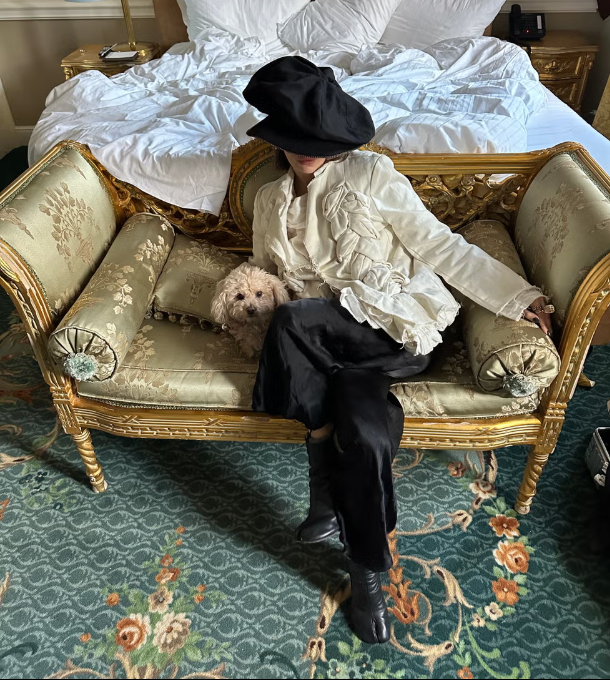
    What began as an intense admiration for avant-garde designers like Maison Margiela, Rei Kawakubo, and Yohji Yamamoto has evolved into something far more physical: chairs made of wigs, benches constructed from industrial materials, and objects that blur the line between fashion reference and contemporary art.

    Now, her work has caught the attention of Maison Margiela itself, leading to a creative collaboration tied to the brand’s Fall 2026 Artisanal universe. It is a rare feedback loop where fan culture becomes part of the fashion system it once simply observed.


    From Digital Obsession to Physical Creation

    The creator behind this world is Angelina Nagornova, a former corporate employee who rebuilt her life around fashion content creation and experimental object-making.

    Her entry point into fashion was not traditional. Coming from a working-class background in Eastern Europe, she did not grow up surrounded by luxury or design institutions. Instead, her understanding of fashion developed through online exploration, photography, and subcultural aesthetics.

    What drew her in most was not mainstream fashion, but its most radical edges—designers who dismantled expectations of beauty and structure. Margiela, in particular, became a central influence, alongside Rei Kawakubo and Yohji Yamamoto.

    Rather than treating fashion as consumption, she began to treat it as language.


    Fashion as Object, Object as Fashion

    What makes her work stand out is the way it extends fashion into physical space.

    Instead of garments, she creates furniture. Instead of styling outfits, she builds environments. Her pieces often begin with references to specific runway collections or archival ideas, then evolve into sculptural interpretations made from unexpected materials.

    A chair covered in wigs references Margiela’s surreal approach to identity and disguise. Another constructed from leather gloves reflects the brand’s long history of transforming everyday materials into conceptual fashion objects.

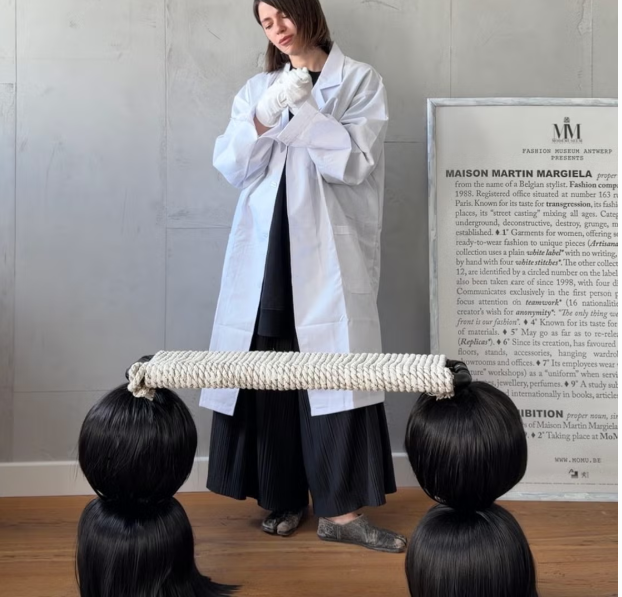
    More recently, she created a bench using construction pipes, rope, and synthetic hair—an object inspired by Margiela’s archival references and repurposed materials. The result feels less like furniture in the traditional sense and more like a wearable memory frozen in physical form.

    Her process is intuitive rather than technical. Ideas are not carefully engineered—they are assembled through instinct, experimentation, and emotional connection to fashion history.


    Margiela’s Influence: Deconstruction as Inspiration

    To understand her work, it helps to understand the language of Maison Margiela itself.

    Since its founding in 1988, the house has built its identity around deconstruction, anonymity, and the transformation of everyday objects into luxury garments. Seams are exposed, silhouettes are distorted, and materials are often recontextualized in ways that challenge traditional ideas of beauty and craftsmanship.

    This philosophy extends beyond clothing. Under Glenn Martens’ recent direction, the brand continues to explore materiality, memory, and object transformation—particularly in its Artisanal collections.

    In this context, Nagornova’s furniture feels less like fan art and more like a parallel interpretation of the same conceptual universe.


    The Margiela FW26 Connection

    Her work recently intersected directly with Maison Margiela’s Fall 2026 narrative, which itself leaned heavily into ideas of objects, interiors, and reconstructed materials.

    The collection—staged in Shanghai—merged ready-to-wear and artisanal design, using elements like porcelain fragments, repurposed textiles, and sculptural silhouettes that blurred the boundary between clothing and installation.

    Within this broader creative landscape, Nagornova was invited to contribute to a digital collaboration tied to the brand’s evolving archival storytelling projects.

    The invitation was simple but open-ended: create something inspired by Margiela’s archival language using provided conceptual references.

    For her, it became an opportunity to complete a personal trilogy of works inspired by the house—culminating in a final bench-like structure that fused construction materials, wigs, and rope into a single sculptural object.


    Objects as Emotional Archives

    What makes her practice compelling is not just its visual impact, but its emotional logic.

    She does not treat objects as static design pieces. Instead, they function as archives of feeling—constructed from personal obsession, memory, and interpretation.

    A wig-covered chair is not just an object; it is a response to a runway image, a conversation with an archive, and a physical translation of a visual idea. In this sense, her work mirrors Margiela’s own approach, where garments often carry traces of history, decay, and transformation.

    Everything is interconnected: fashion, furniture, photography, and digital storytelling become part of the same ecosystem.


    The Internet as a Creative Studio

    A defining part of her practice is its digital origin.

    Her Instagram presence is not simply documentation—it functions as a kind of living sketchbook. It is where ideas are tested, shared, and refined in real time. The aesthetic is intentionally minimal, often monochrome, and focused on form rather than trend-driven visuals.

    Unlike traditional fashion influencers, she is not interested in styling outfits or promoting consumption. Instead, she uses her platform to explore how fashion ideas can evolve into physical objects.

    This rejection of traditional “fashion content” has ironically become what makes her stand out in the fashion system.


    Why Margiela Recognized Her Work

    Fashion houses rarely respond directly to fan culture, but Margiela is a notable exception.

    The brand has long been interested in anonymity, reinterpretation, and the transformation of everyday creativity into high concept design. In that sense, Nagornova’s work aligns naturally with its philosophy.

    Her pieces do not imitate Margiela—they extend its logic into another medium.

    A chair becomes a garment. A bench becomes an archive. A wig becomes structure rather than decoration.

    It is this conceptual continuity that makes the collaboration feel less like a novelty and more like an evolution.


    The Bigger Idea: Fashion Beyond Clothing

    This story ultimately reflects a larger shift in how fashion is being understood today.

    Fashion is no longer confined to garments. It extends into interiors, digital spaces, sculpture, and installation. Designers increasingly think in terms of environments rather than individual pieces, and creators outside traditional fashion systems are contributing to that expansion.

    Nagornova represents this shift clearly. Her work exists at the intersection of fashion, design, and contemporary art—where boundaries are intentionally blurred.

    In this space, obsession is not something to be contained. It becomes material.


    Final Thoughts: When Obsession Becomes Form

    The story of a Margiela superfan turning her fascination into furniture is more than a niche fashion narrative—it is a reflection of how creative culture is evolving.

    What once existed as admiration has become production. What began as digital storytelling has become physical sculpture. And what started as fandom has entered the language of contemporary design.

    At its core, this is not just about Margiela. It is about what happens when fashion stops being something you wear—and starts becoming something you build.

    Because sometimes, the most interesting designs do not come from studios or runways.

    They come from obsession, carefully assembled into form.

    Tracee Ellis Ross Redefines Statement Eyewear With Her Emmanuelle Khanh Collaboration

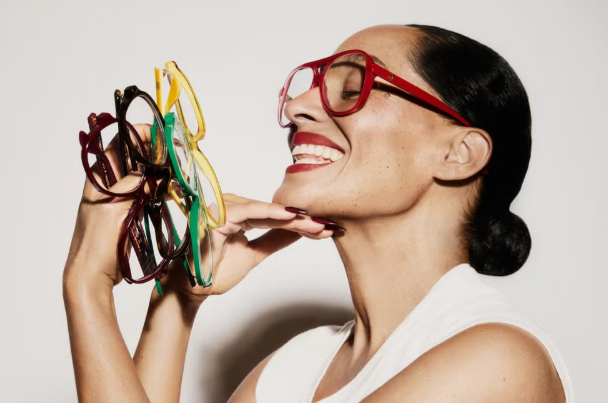
    Few celebrities treat accessories with as much intention as Tracee Ellis Ross. Known for her bold personal style and love of expressive fashion, she has long used eyewear not just as a functional item, but as a defining part of her identity. Now, she is taking that relationship one step further with a limited-edition collaboration with French heritage eyewear house Emmanuelle Khanh.

    The result is a capsule collection that feels both deeply personal and distinctly fashion-forward—merging Ross’s fearless approach to styling with the brand’s legacy of sculptural, avant-garde design.

    This isn’t just another celebrity fashion drop. It is a conversation between personality, heritage, and the power of accessories to transform how we are seen.


    A Natural Collaboration Rooted in Personal Style

    Tracee Ellis Ross has never hidden her love for eyewear. Oversized frames, bold silhouettes, and graphic shapes have become one of her signature styling tools over the years. Whether on red carpets or in everyday appearances, her glasses often feel like the finishing touch that completes the entire look.

    So when she partnered with Emmanuelle Khanh, a French label known for its dramatic, architectural frames since the late 1960s, the collaboration felt almost inevitable.

    The connection runs deeper than aesthetics. Ross has been wearing the brand’s eyewear for years, drawn to its combination of structure, glamour, and individuality. For her, glasses are not an afterthought—they are a form of self-expression.

    This shared philosophy became the foundation for the collection.


    The Concept: Boldness, Clarity, and Personal Expression

    At the heart of the collaboration are two distinct frame designs, each reflecting a different side of Ross’s personality and style language.

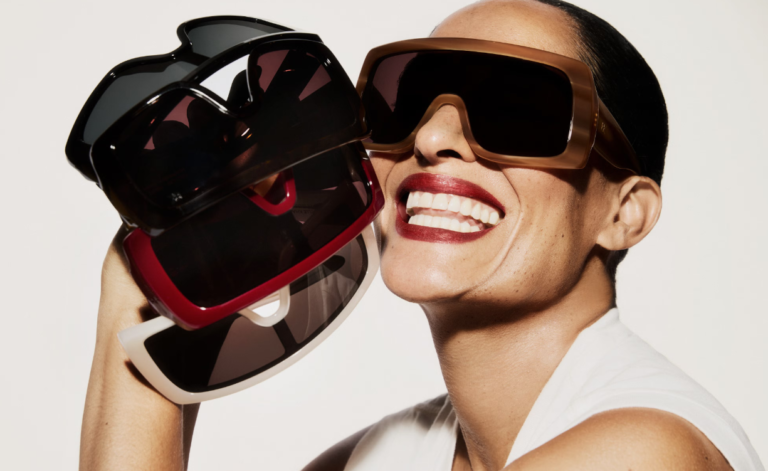
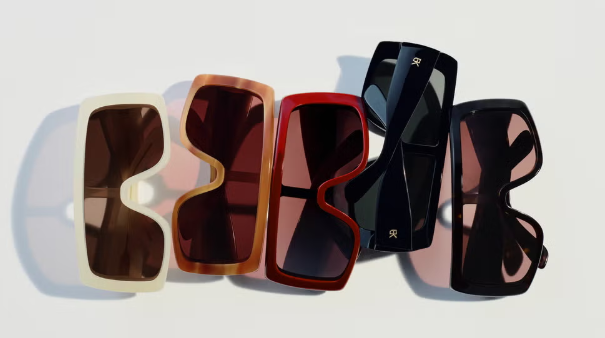
    The first is a striking, mask-like sunglass silhouette designed for maximum impact. Oversized and sculptural, it delivers full coverage while making a strong visual statement. Available in several colorways—from deep black to warm tortoiseshell and rich red—it is designed for those who embrace drama and confidence in their accessories.

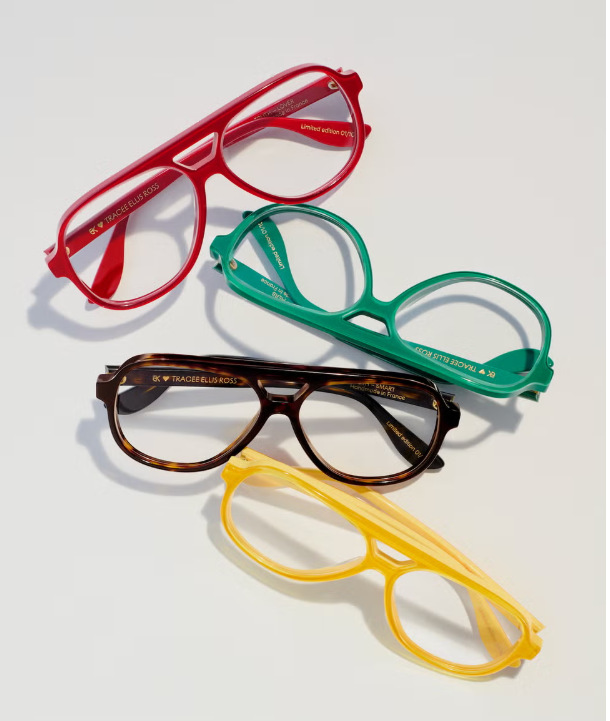
    The second style takes a different direction: a more refined aviator-inspired optical frame. Lighter in feel but still expressive, it leans into color as a form of joy. Bright greens, reds, and yellows bring energy to the design, reflecting Ross’s belief that eyewear should be both functional and fun.

    Together, these two styles capture a balance between bold glamour and everyday wearability.


    Craftsmanship Meets Creative Legacy

    One of the defining aspects of this collaboration is its craftsmanship.

    Each frame is handcrafted in France and Italy, reflecting Emmanuelle Khanh’s long-standing commitment to artisanal production. The brand itself has a deep history rooted in Parisian fashion culture, known for pioneering bold eyewear that challenged conventional ideas of femininity and elegance.

    By working with Ross, the label continues its tradition of pushing boundaries while staying grounded in its heritage.

    The result is a collection that feels luxurious without being overly precious—designed to be worn, seen, and lived in.


    The “Freedom” Frame: Maximum Impact, Minimal Compromise

    The first standout design in the collection is the oversized mask-style sunglasses, aptly named Freedom.

    This frame is designed with presence in mind. Its sculptural shape wraps around the face, creating a bold, almost cinematic silhouette. It is the kind of eyewear that instantly transforms even the simplest outfit into a statement look.

    Despite its dramatic proportions, the design remains practical. The wide coverage offers full sun protection, while the carefully curated color palette keeps the aesthetic grounded rather than overwhelming.

    It is eyewear as armor—confident, expressive, and unapologetically bold.


    The “Truth” Frame: Color, Lightness, and Everyday Expression

    The second design, called Truth, offers a more wearable yet equally expressive approach.

    Inspired by classic aviator shapes, it reinterprets a familiar silhouette through Emmanuelle Khanh’s archival lens. The result is a frame that feels timeless but fresh, structured but playful.

    What makes it stand out is its use of color. Rather than sticking to traditional neutrals, the design embraces bright, joyful tones that bring personality into everyday wear.

    Ross has described eyewear as a tool for enhancing vision—both literally and stylistically. In this sense, Truth reflects clarity, openness, and self-expression in a more subtle form than its counterpart.


    Why This Collaboration Matters in Fashion Right Now

    The timing of this collaboration aligns with a broader shift in fashion: accessories are becoming the new focal point of personal style.

    As wardrobes lean more minimal and functional, statement pieces like eyewear, bags, and shoes are increasingly used to define individuality. Glasses, in particular, have moved far beyond utility. They are now part of identity construction.

    Tracee Ellis Ross has long embodied this idea. Her approach to fashion is not about following trends but about curating pieces that reflect mood, personality, and confidence.

    This collection brings that philosophy into physical form.


    The Influence of French Style and “Quiet Maximalism”

    Another layer of inspiration behind the collaboration is French fashion culture—specifically its balance between restraint and expression.

    Ross has often referenced her time in Paris as formative in shaping her aesthetic sensibility. The idea of “quiet maximalism”—bold accessories paired with intentional simplicity—runs through the entire collection.

    Emmanuelle Khanh’s design language fits naturally into this framework. Its eyewear is not minimal, but it is controlled. It speaks loudly without feeling excessive.

    This balance is what gives the collection its sophistication.


    Limited Release, Lasting Impact

    As with many high-fashion collaborations, the collection is produced in limited quantities and released through select retailers and exclusive platforms.

    This scarcity reinforces its positioning as a collectible fashion moment rather than mass-market product. But beyond availability, its real impact lies in how it reframes eyewear as a category.

    It is not simply about seeing better or blocking the sun. It is about how a frame can shift perception—both of the wearer and the world around them.


    Final Thoughts: Eyewear as Identity

    Tracee Ellis Ross’s collaboration with Emmanuelle Khanh is a reminder that accessories can carry as much meaning as clothing itself.

    By centering bold silhouettes, expressive color, and intentional design, the collection elevates eyewear into something more personal and powerful.

    It is not about subtlety. It is about clarity of self-expression.

    In a fashion landscape increasingly defined by individuality, this collaboration stands out for its message: style is not just what you wear—it is how you choose to be seen.

    Ballet Sneakers Are the Unexpected Shoe Trend Defining 2026 Style

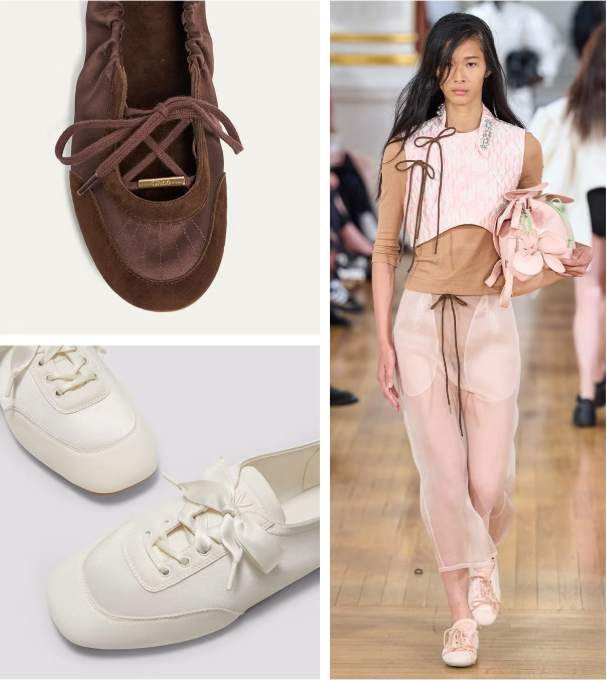
    Somewhere between a ballet flat and a sporty sneaker lies fashion’s latest obsession: the ballet sneaker. Also known as “sneakerinas,” this hybrid shoe has quietly moved from niche runway experiment to full-blown wardrobe essential.

    In 2026, they are no longer a fringe trend. Instead, they’ve become one of the most versatile and widely embraced footwear categories of the season—spotted on celebrities, street style stars, and designer runways alike. What makes them so compelling is their contradiction: they blend softness with structure, elegance with practicality, and nostalgia with innovation.

    This is not just a passing experiment. It is a redefinition of everyday footwear.


    The Rise of the Sneakerina: Why It Took Over

    The ballet sneaker trend has been building for several seasons, but 2026 marks its strongest moment yet.

    Originally inspired by balletcore aesthetics and early runway experiments, designers began merging the delicate silhouette of ballet flats with the functional sole of athletic sneakers. Early versions leaned sporty and chunky, but the latest evolution is much more refined.

    Today’s sneakerinas are slimmer, lighter, and more elegant. Instead of heavy rubber soles, many styles now feature low-profile bases, flexible construction, and softened curves that echo traditional ballet slippers.

    This shift reflects a broader fashion movement toward comfort-driven style—where practicality is no longer separate from aesthetics.


    What Makes a Ballet Sneaker?

    At its core, the ballet sneaker is a hybrid design.

    It typically features:

    • A low-profile sneaker sole
    • A soft, flexible upper inspired by ballet flats
    • Elastic laces, straps, or wraparound detailing
    • Lightweight materials such as satin, mesh, or soft leather

    Some versions lean more sporty, while others feel closer to delicate flats with subtle athletic undertones. The result is a category that is surprisingly diverse.

    Recent collections from major fashion houses and sportswear brands have embraced this versatility, creating everything from satin slip-on styles to structured lace-up interpretations.


    Key Trend Direction #1: Satin and Soft Feminine Textures

    One of the most noticeable evolutions in 2026 is the rise of satin ballet sneakers.

    These styles draw directly from traditional ballet slippers, using soft sheen fabrics in pastel tones like blush pink, baby blue, and ivory. The effect is elegant and slightly nostalgic, but grounded by the sneaker sole.

    Designers are leaning into this contrast intentionally. The softness of satin is balanced by sporty construction, making the shoes feel dressy enough for skirts and dresses, but casual enough for denim and tailoring.

    This is where the trend feels most “fashion-editor approved”—romantic but wearable.


    Key Trend Direction #2: Sport-Inspired Ballet Hybrids

    On the opposite end of the spectrum are sport-forward ballet sneakers.

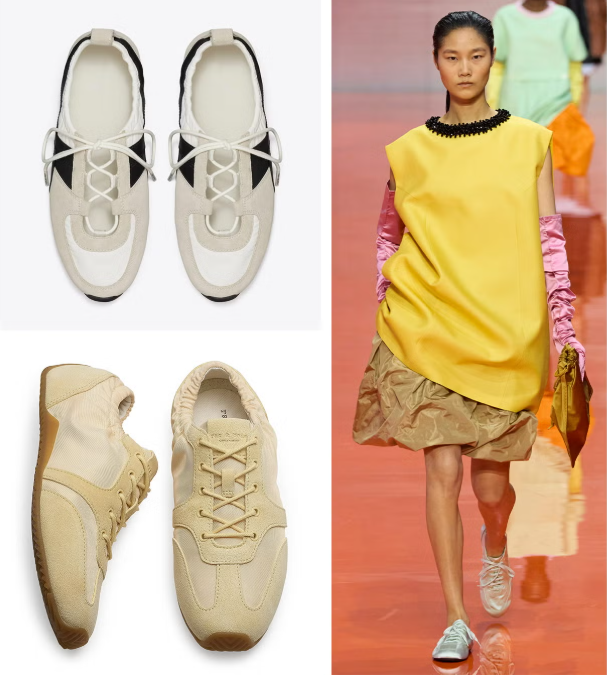
    These designs borrow heavily from retro trainers, incorporating streamlined silhouettes, breathable fabrics, and performance-inspired soles. Some even resemble slim running shoes, but with softened ballet-like shaping.

    These versions are especially popular for everyday styling because they feel familiar. They can be worn exactly like sneakers, but offer a more fashion-forward edge.

    They’ve become a go-to choice for those who want comfort without sacrificing style credibility.


    Key Trend Direction #3: Mary Jane and Strappy Variations

    Another major evolution in the sneakerina trend is the introduction of straps.

    Mary Jane-inspired ballet sneakers add a delicate strap across the foot, while others feature crisscross lacing or adjustable bands that reference classical ballet footwear.

    This detail instantly shifts the shoe from sporty to refined. Even when paired with casual outfits, the strap element gives a more intentional, styled appearance.

    It’s a small design choice that significantly impacts how the shoe is perceived.


    How People Are Styling Ballet Sneakers Now

    What makes ballet sneakers so successful is not just the design—but the styling flexibility.

    They are being worn in multiple ways depending on aesthetic preference:

    1. With relaxed tailoring

    Wide-leg trousers, oversized blazers, and structured coats create a polished contrast with the soft shoe silhouette.

    2. With feminine pieces

    Flowing skirts, slip dresses, and lightweight knits highlight the ballet-inspired side of the shoe.

    3. With casual streetwear

    Denim, hoodies, and simple tees turn ballet sneakers into an everyday staple rather than a statement piece.

    4. With sporty layers

    Leggings, shorts, and athleisure sets emphasize the sneaker element, leaning into comfort-first dressing.

    The key styling principle is balance—letting the shoes either soften or sharpen the outfit depending on context.


    Why the Fashion World Is Embracing Them

    The popularity of ballet sneakers reflects a larger shift in fashion culture.

    After years of chunky sneakers dominating street style, there is now a move toward slimmer, more refined silhouettes. At the same time, the demand for comfort remains high.

    Ballet sneakers sit perfectly in the middle of these two needs. They are practical enough for daily wear, but visually interesting enough to feel intentional.

    They also tap into multiple aesthetic trends at once: balletcore softness, sporty minimalism, and nostalgic design references.

    This combination makes them one of the most commercially and stylistically successful hybrid shoes of the moment.


    The Celebrity and Runway Effect

    Much of the momentum behind ballet sneakers comes from their visibility in fashion media and celebrity styling.

    They’ve appeared in runway collections across both luxury fashion houses and sportswear brands, signaling that the trend is not limited to one aesthetic category.

    Off-duty celebrity styling has also played a role, with influencers pairing them with everything from tailored coats to casual denim looks. This versatility reinforces the idea that ballet sneakers are not a trend outfit piece—but a wardrobe foundation.


    Best Types of Ballet Sneakers Right Now

    Across the market, a few key silhouettes dominate:

    • Satin lace-up sneakerinas with ballet-inspired detailing
    • Minimal leather hybrid trainers with slim soles
    • Mary Jane sneaker hybrids with straps
    • Low-profile retro runner styles reimagined in soft palettes
    • Mesh and breathable fabric versions for summer styling

    Each variation serves a slightly different wardrobe need, but all fall under the same core idea: soft, wearable hybrids that bridge two footwear worlds.


    Final Thoughts: A Hybrid Trend With Staying Power

    Ballet sneakers represent more than just a fashion moment—they reflect a shift in how people dress today.

    They are not about choosing between comfort and style anymore. Instead, they merge both into a single design language that feels modern, flexible, and highly wearable.

    As fashion continues to move toward hybridization and versatility, it’s likely that sneakerinas will remain a key part of everyday wardrobes well beyond 2026.

    Because in today’s style landscape, the most relevant shoes are no longer the most dramatic ones—but the ones you can actually live in.

    Coachella Outfits 2026: The New Era of Festival Style Is Less Costume, More Intentional Chic

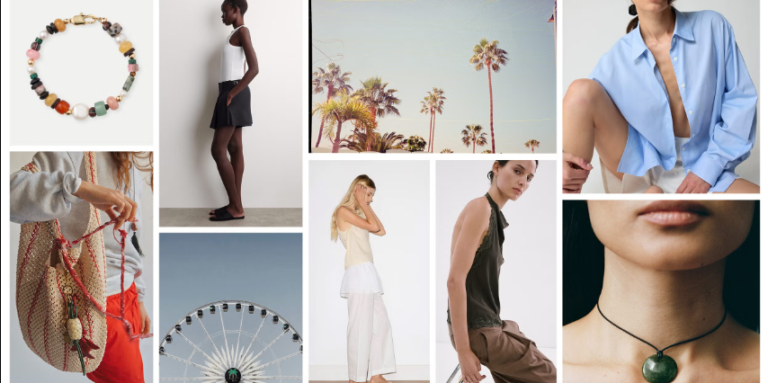
    Coachella has always been more than a music festival—it is one of the world’s biggest fashion stages. But in 2026, the way people dress for the desert has shifted noticeably. The once-dominant formula of flower crowns, fringe-heavy boho looks, and overly styled “festival costumes” is being replaced by something far more refined, wearable, and personal.

    This year’s Coachella style is defined less by uniform trends and more by individual expression, comfort, and styling intelligence. Instead of dressing for Instagram alone, festival-goers are leaning into outfits that can survive long desert days, adapt to temperature changes, and still feel fashion-forward.

    The result is a new aesthetic: effortless, grounded, and quietly expressive.


    The Big Shift: From Festival Costume to Real-World Fashion

    One of the clearest changes in Coachella 2026 fashion is the rejection of overly themed outfits. The “2016 Coachella uniform”—flower crowns, body chains, and ultra-boho layering—feels outdated compared to today’s cleaner approach.

    Instead, outfits are now built around pieces that could realistically be worn beyond the festival. Think lightweight tailoring, simple silhouettes, and familiar wardrobe staples styled in creative ways.

    Fashion insiders and stylists point to a broader shift in the industry: people want clothing that feels reusable, comfortable, and authentic, rather than something designed for a single weekend moment.

    This mindset is reshaping what “festival fashion” even means.


    Key Trend 1: Modern Boho, Refined for 2026

    Boho is still very much alive at Coachella—but it has evolved.

    Instead of heavy fringe and layered accessories, modern boho focuses on softer silhouettes and breathable fabrics. Crochet tops, linen dresses, and flowy skirts are styled with more restraint, often paired with structured basics to balance the look.

    The palette has also shifted. Earth tones, soft whites, and muted neutrals are replacing overly saturated festival colors, creating a more elevated and wearable version of bohemian style.

    It’s still romantic and free-spirited—but noticeably more polished.


    Key Trend 2: Western Influence, But Make It Subtle

    Western-inspired fashion continues to dominate Coachella dressing, but in a more refined way than previous years.

    Cowboy boots remain a staple, but they’re now styled with minimalist outfits rather than full themed ensembles. Instead of fringe overload, you’ll see clean denim, fitted tanks, and structured skirts paired with statement boots.

    The key idea here is balance. The Western element is no longer the entire outfit—it’s just one strong detail within a modern look.

    This approach makes the trend feel intentional rather than costume-like.


    Key Trend 3: Sheer Layers and Lightweight Transparency

    Sheer fabrics continue to be one of the most popular Coachella styling tools in 2026.

    Mesh tops, translucent dresses, and layered chiffon pieces allow for airflow while adding visual depth. But unlike previous years where sheer was used for shock value, the new approach is more about texture and layering.

    A sheer skirt over shorts or a mesh top layered over a neutral base creates dimension without sacrificing comfort—an important factor in desert heat.

    It’s expressive, but controlled.


    Key Trend 4: Sporty Meets Festival

    One of the strongest shifts this year is the rise of sporty festival dressing.

    Biker shorts, oversized tees, crop tops, and sneakers are being styled in surprisingly chic ways. This trend prioritizes comfort, especially for long walking distances and high temperatures.

    What makes it feel elevated is how it’s styled—paired with structured accessories, sleek sunglasses, or a fitted jacket to avoid looking too casual.

    It reflects a broader cultural shift toward blending athleticwear with everyday fashion.


    Key Trend 5: Y2K Nostalgia, Reworked

    Y2K influence is still present at Coachella, but it’s no longer maximalist or overdone.

    Instead of heavy rhinestones and ultra-low-rise everything, the 2026 version of Y2K styling is more controlled. Think low-rise jeans paired with clean tops, subtle metallic accents, and minimalist layering.

    Waist chains, tinted sunglasses, and slim silhouettes are used sparingly to reference early-2000s fashion without fully replicating it.

    The goal is nostalgia with restraint—not replication.


    Key Trend 6: Metallics, Shine, and Night-Ready Looks

    As always, nighttime Coachella outfits lean more expressive.

    Metallic fabrics, sequins, and reflective textures come alive under stage lights. Silver mini dresses, shimmering tops, and subtle glitter accents are popular choices for evening performances and after-dark events.

    However, even these looks are becoming more refined. Instead of head-to-toe sparkle, most outfits incorporate shine as a focal point rather than a full aesthetic.

    It’s about impact, not excess.


    How People Are Actually Styling Coachella in 2026

    Beyond trends, what stands out most this year is how outfits are being put together.

    Instead of fully pre-planned “festival looks,” many attendees are building outfits from core wardrobe pieces:

    • Linen trousers with cropped tanks
    • Denim shorts styled with relaxed blouses
    • Lightweight sets worn with statement accessories
    • Simple dresses elevated with boots or bold bags

    The emphasis is on mixing comfort with personality rather than following strict outfit formulas.

    Even celebrities are embracing more understated looks, often opting for jeans, tanks, and simple silhouettes rather than elaborate styling. This shift reflects a broader fashion mood: less effortful perfection, more natural styling.


    Practical Styling: Dressing for the Desert

    While aesthetics matter, Coachella dressing in 2026 is also highly practical.

    The desert environment demands clothing that can handle heat during the day and cooler temperatures at night. As a result, layering has become essential.

    Key practical styling strategies include:

    • Lightweight fabrics for breathability
    • Comfortable footwear for walking
    • Layered pieces for temperature changes
    • Crossbody bags for hands-free movement
    • Sun protection integrated into outfits

    Functionality is no longer secondary—it’s part of the style itself.


    The New Coachella Mood: Effortless Individuality

    Perhaps the most important shift in Coachella fashion this year is philosophical rather than visual.

    Instead of everyone dressing according to a single dominant aesthetic, there is now a strong emphasis on individuality. People are mixing influences—Western, boho, sporty, Y2K, minimalism—in ways that feel personal rather than prescribed.

    The result is a more diverse and realistic festival style landscape. Outfits feel less like costumes and more like extensions of personal wardrobes, adapted for a specific environment.


    Final Thoughts

    Coachella outfits in 2026 mark a clear departure from the overly styled festival fashion of the past. The focus has shifted toward authenticity, comfort, and wearable styling choices that still feel visually strong.

    Instead of chasing trends, festival-goers are curating looks that reflect who they are—just adapted for the desert.

    It’s not about dressing louder anymore. It’s about dressing smarter.

    Because in today’s Coachella fashion landscape, the most stylish outfit is the one that feels like you—just a little more intentional.

    How to Style Jelly Shoes in 2026: The Nostalgic Shoe Trend That’s Surprisingly Chic Again

    Jelly shoes are officially back—and this time, they’re not just a childhood memory. Once considered a playful (and slightly impractical) summer staple, the modern jelly shoe has evolved into a fashion-forward accessory spotted on runways, street style stars, and style editors alike.

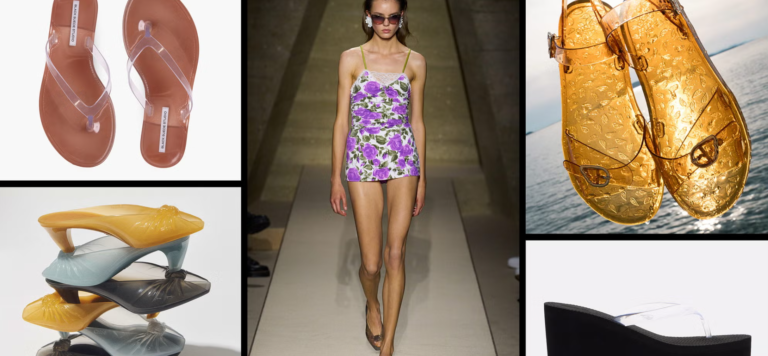
    What makes their return so interesting is how dramatically they’ve changed. Today’s versions come in elevated silhouettes—think sleek ballet flats, sculptural kitten heels, strappy sandals, and minimalist mules. Designers are reimagining the nostalgic PVC texture in a way that feels intentional, modern, and surprisingly wearable.

    The key question now isn’t whether to wear jelly shoes—but how to style them so they feel chic, not childish.


    The New Jelly Shoe Aesthetic: From Playful to Polished

    The modern jelly shoe is no longer limited to bright, cartoonish designs. Instead, the trend has expanded into a much more refined palette and structure.

    Translucent neutrals, soft pastels, and even monochrome blacks are replacing the neon tones of the past. At the same time, silhouettes have matured. Fisherman-inspired jellies, barely-there sandals, and mesh-like flats are now leading the category.

    This evolution makes jelly shoes far easier to integrate into everyday wardrobes. Rather than being the focal point of a playful outfit, they now function as a subtle texture element—something that adds interest without overpowering the look.


    Styling Formula #1: Keep It Clean and Minimal

    One of the easiest ways to wear jelly shoes is to let them sit within a clean, minimal outfit. Because the material itself already brings texture and shine, pairing them with simple pieces creates balance.

    Think straight-leg trousers, white tank tops, crisp shirts, or monochrome sets. A translucent pair of jelly sandals can act almost like jewelry for the feet—subtle, glossy, and modern.

    This approach works especially well in neutral tones. Beige, white, cream, and soft grey outfits allow clear or lightly tinted jellies to blend seamlessly while still catching the light in an interesting way.

    The result is effortless and contemporary rather than nostalgic.


    Styling Formula #2: Embrace Relaxed Tailoring

    A more fashion-forward way to wear jelly shoes is to contrast them with structured tailoring. This is where the trend really starts to feel elevated.

    Pairing jelly mules or slingback styles with wide-leg trousers or an oversized blazer creates an intentional tension between casual and refined. The softness of the jelly material offsets the sharpness of tailoring, resulting in a look that feels modern and directional.

    Flowing trousers or relaxed suits are particularly effective here. When the outfit leans slightly formal, jelly shoes act as a grounding element that prevents the look from feeling too serious.

    It’s an unexpected pairing that works precisely because of the contrast.


    Styling Formula #3: Go Full Y2K Nostalgia (But Refined)

    For those who want to lean into the nostalgic roots of jelly shoes, Y2K-inspired styling is the natural direction—but the key is restraint.

    Instead of recreating early-2000s outfits exactly, modern styling focuses on selective nostalgia. Pair jelly sandals with baggy denim, baby tees, slip skirts, or lightweight cardigans.

    The trick is to avoid going overly themed. A single nostalgic element is enough. Jelly shoes already bring that retro energy, so the rest of the outfit should stay grounded and modern.

    Accessories can enhance the mood without overwhelming it—think beaded jewelry, simple anklets, or small shoulder bags.

    The result is a look that nods to the past without feeling like a costume.


    Styling Formula #4: Play With Socks for a Fashion Edge

    One of the most divisive but increasingly popular styling tricks is pairing jelly shoes with socks. Once considered purely practical (or even unfashionable), this combination has become a street style favorite.

    Sheer socks, ribbed cotton styles, or even lightly patterned versions can completely change the tone of jelly shoes. Clear flats worn over soft white socks feel almost editorial, while colorful socks introduce a playful contrast.

    This styling approach also solves one of the common concerns with jelly shoes—comfort. Socks can reduce friction and make the material more wearable for longer periods.

    More importantly, it turns the shoe into a statement piece rather than just an accessory.


    Styling Formula #5: Use Color Strategically

    Color plays a huge role in how jelly shoes are perceived. While clear and neutral versions are the most versatile, bold colors are where the trend becomes more expressive.

    Soft pastels like powder blue, lavender, and blush pink offer a gentle pop that works well with summer wardrobes. On the other end of the spectrum, brighter shades like citrus yellow, red, or emerald green can energize a neutral outfit instantly.

    The key is balance. If the shoes are colorful, keep the rest of the outfit toned down. If the outfit is already vibrant, opt for transparent or neutral jellies to avoid visual overload.

    This push-and-pull is what keeps the look feeling intentional.


    Styling Formula #6: Think Vacation, Even in the City

    Jelly shoes naturally carry a beachy, vacation-ready energy, which makes them perfect for summer city dressing.

    They work especially well with breezy dresses, linen sets, crochet details, and lightweight skirts. Even in an urban environment, they introduce a sense of ease and vacation mood.

    This is part of what makes the trend so appealing right now—it bridges the gap between practical summer footwear and fashion-forward styling.

    They’re functional enough for warm weather, but playful enough to elevate simple outfits.


    The Modern Appeal: Why Jelly Shoes Work Now

    The return of jelly shoes fits into a larger shift in fashion toward nostalgia and practicality. After years of minimalist sneakers and structured footwear dominating wardrobes, there is now space for something more expressive.

    Jelly shoes tap into that desire for lightness—both visually and emotionally. They are unfussy, weather-friendly, and easy to style once you understand their balance point.

    They also reflect a broader trend: fashion that doesn’t take itself too seriously. A little shine, a little transparency, a little retro charm—all combined into one unexpected piece.


    Final Thoughts

    Jelly shoes have transformed from nostalgic beach footwear into a surprisingly versatile styling tool. Their modern iterations allow for far more creativity than their predecessors, offering endless possibilities for minimal, tailored, or playful outfits.

    The secret to wearing them well lies in contrast. Pair them with structure, balance them with simplicity, or lean into nostalgia with intention. When styled thoughtfully, they stop feeling like a throwback and start feeling like a statement.

    In 2026, jelly shoes aren’t just back—they’ve evolved into one of the most unexpectedly wearable trends of the season.