分类: Hyperpigmentation & Dark Spots

  • Lucy Hale Opens Up About Her Second Act: Fading Dark Spots, True Crime Obsessions, and That Elusive Perfect Matcha

    Lucy Hale Opens Up About Her Second Act: Fading Dark Spots, True Crime Obsessions, and That Elusive Perfect Matcha

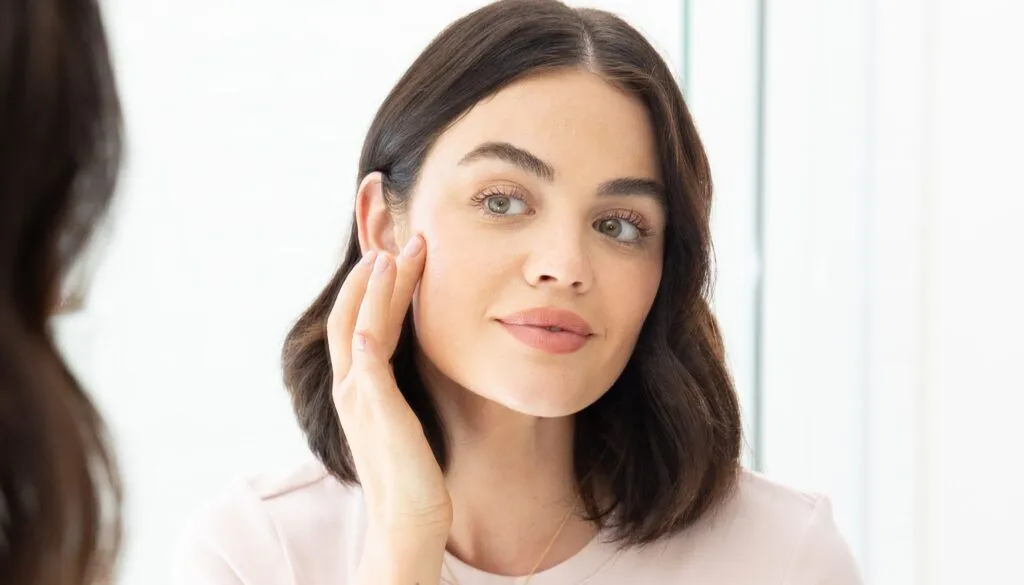
    Lucy Hale is officially in her second act. Long removed from the teenage angst of Pretty Little Liars that catapulted her into stardom, the 35-year-old actress seems profoundly grounded, leaning into projects that genuinely excite her (like the recently announced film Dead Letters) and taking a refreshingly honest approach to aging.

    While she has always maintained a porcelain, Snow White-esque aesthetic—striking dark hair contrasting with bright, light eyes—Hale is quick to admit that her skin is far from immune to the passage of time. In fact, like many of us who spent our twenties baking in the sun, she is currently battling the delayed consequences.

    We recently caught up with Hale to chat about her new partnership with Eucerin, her low-key morning icing ritual, and why she believes women are inherently obsessed with true crime .

    Facing the Dark Spot Dilemma

    Despite her flawless appearance on screen, Hale is remarkably candid about her ongoing skin struggles, particularly the sudden appearance of hyperpigmentation .

    “I struggle with the same thing,” she admits. “I’m just at that age where I’m like, ‘Oh crap. I didn’t wear sunscreen in my 20s.’ I was so careless about it. I break out still, so I’ll have red marks from that and definitely have hyperpigmentation popping through. I mean, it’s popping up at a rapid rate.”

    A recent high-tech skin scan in London forced her to confront the reality of sun damage lurking just beneath the surface . “It shows you the sun damage that basically just gets brought to the surface as you get older,” she explains. “It’s part of life, it’s part of aging, but there are things we can do that can help clear those spots up.”

    Her secret weapon? Eucerin’s new Radiant Tone Collection . Hale praises the science-backed line for being lightweight and gentle enough for her highly sensitive, acne-prone skin, noting it effectively targets the texture, brightening, and clarity issues she’s currently prioritizing .

    Her Tried-and-True Beauty Staples

    When it comes to her daily routine, Hale relies on a mix of high-end staples and old-school hacks. A non-negotiable for the past decade is her Rodan + Fields eyelash serum ($169), which she applies faithfully like eyeliner .

    However, her favorite morning ritual is completely free. “I’ve been icing my skin a lot recently, which is something I used to do as a teenager when I would get cystic acne,” she shares. Rather than using an elaborate tool, she keeps it incredibly simple: “I usually just get an ice cube, run it underwater, and just kind of rub it around.” She pairs this with chilled under-eye patches straight from the fridge, noting, “Do they work? I don’t really know, but it feels nice.”

    Blending True Crime with Rom-Coms

    Her current cinematic ventures are just as intriguing as her skincare routine. In her new movie, F** Marry Kill*, Hale stars as a newly single woman diving back into the dating app scene, only to discover it coincides with a local serial killer .

    The blend of thriller and rom-com genres perfectly aligns with her personal interests. Not only has she utilized dating apps in the past, but she is also a massive true crime fan . “I feel like every woman I know loves true crime, and I think that’s because we are just more sensitive and emotional, and we’re more drawn to the psychology and why behind it,” she theorizes. “I also feel like women are problem solvers… when I watch anything true crime related, I’m convinced I could figure out who it was.”

    The Quest for the Perfect Matcha

    When she isn’t acting or icing her face, Hale is busy trying to master the art of the perfect matcha latte—with mixed results . While she loves LA hotspots like Dialog and Verve, she admits her at-home attempts leave much to be desired . “It is my goal to make a perfect matcha latte at home. I have all the stuff… but every time I drink my homemade matcha, I’m like, ‘This tastes like crap.’”

    Whether she’s attempting to perfect her barista skills, boldly experimenting with new roles, or simply slathering on SPF to correct the sins of her twenties, Lucy Hale is navigating her 30s with an infectious, relatable authenticity. And while she’s open to trying almost any trend, there is one line she likely won’t cross: “The only thing I feel like I might not ever do is bleach my eyebrows, but it’s only because my eyebrows are so bold. I don’t know if I could pull it off, but never say never.”

  • Erase the Shadows: A Dermatologist’s Guide to Choosing the Right Dark Spot Serum

    Erase the Shadows: A Dermatologist’s Guide to Choosing the Right Dark Spot Serum

    Whether they are the lingering ghosts of teenage acne, the stubborn souvenirs of long summer beach days, or the hormonal mask of melasma, dark spots are arguably the most frustrating skincare hurdle to clear. Unlike surface-level dullness that can be buffed away with a quick scrub, hyperpigmentation is a deeply ingrained issue.

    While the market is flooded with products promising an instant “glow,” fading true discoloration requires targeted, scientific intervention. “Adding a dark spot serum to your routine can help,” but as New York board-certified dermatologist Dr. Robyn Gmyrek notes, you have to know exactly what you’re looking for . We tapped top experts to break down the mechanics of hyperpigmentation and reveal exactly which ingredients will finally banish those spots for good .

    How Dark Spot Serums Actually Work

    Fading a dark spot isn’t about bleaching the skin; it’s about shutting down the factory that produces the pigment.

    According to Dr. Gmyrek, the magic happens at the cellular level by targeting an enzyme called tyrosinase . Tyrosinase is absolutely essential for the formation of pigment in our skin. “Blocking tyrosinase prevents melanocytes from producing melanin to decrease unwanted pigmentation,” she explains .

    When shopping for these serums, Beverly Hills dermatologist and cosmetic surgeon Dr. Nathan Newman points out that you will encounter two distinct formulations:

    1. Spot Treatments: These are highly concentrated, potent formulas designed to be dabbed exclusively onto individual dark marks to aggressively break down isolated melanin clusters .
    2. All-Over Formulas: These gentler, full-face serums act as preventative “dark spot correctors.” They work uniformly to even out your overall skin tone while actively preventing future pigmentation from forming .

    Matching the Ingredient to the Cause

    Not all dark spots are created equal, which means a “one-size-fits-all” serum doesn’t exist. “Deciding on which will be best for your skin comes down to the cause or type of pigmentation,” advises Dr. Gmyrek .

    For Post-Acne Marks (PIH)
    Post-inflammatory hyperpigmentation (PIH) frequently occurs after trauma to the skin, like a severe breakout, and is particularly common in olive skin tones . If acne is the root cause, Dr. Newman highly recommends formulas starring azelaic acid . You want a serum that combines exfoliating properties with barrier-repairing, calming ingredients to soothe the residual inflammation .

    For Hormonal Melasma
    Melasma—often appearing as stubborn brown patches on the forehead, cheeks, or upper lip—is driven by internal hormones and exacerbated by the sun . Because it is easily triggered by irritation, Dr. Gmyrek suggests consistently using potent yet gentle tyrosinase inhibitors, specifically highlighting tranexamic acid, azelaic acid, and cysteamine .

    For Sun Spots (Solar Lentigines)
    Years of UV exposure result in these tricky spots. “Sun-induced spots respond well to antioxidants, retinoids and melanin inhibitors like alpha arbutin,” reveals Dr. Newman . However, because the depth of sun damage can vary wildly, consistency with these ingredients is absolutely vital .

    The Golden Rules of Application

    Patience is mandatory when treating pigmentation. Dr. Gmyrek warns that you will not see immediate results overnight, especially if the pigment is deeply rooted in the skin .

    To maximize efficacy, apply your chosen serum twice daily—morning and night—immediately after cleansing and before your heavier moisturizers . While it might be tempting to play chemist and mix several active ingredients on your own, Dr. Gmyrek strongly advises against it. Instead, opt for professionally formulated combination serums that stabilize multiple actives in one bottle .

    Above all else, your hard work will be entirely useless without one crucial step: sunscreen. “Always apply broad-spectrum SPF 30+ sunscreen daily to protect against further darkening of pigment in discolored areas,” Dr. Newman stresses .

    4 Expert-Approved Serums to Try Now

    Ready to start fading? Here are the top dermatologist-recommended formulas:

    SkinCeuticals Discoloration Defense Serum ($110)
    A clinical powerhouse. Dr. Gmyrek loves this precise formulation, which blends 1% kojic acid, 3% tranexamic acid, and 5% niacinamide to block pigment production, while an added synthetic acid (HEPES) gently exfoliates dead surface cells .

    Clinique Even Better Clinical Dark Spot Clearing Serum ($94)
    Ideal for full-face application, this gentle but potent serum pairs universally loved vitamin C and niacinamide to simultaneously fade discoloration and vastly improve overall skin texture .

    SkinMedica Even & Correct Dark Spot Cream ($88)
    If you prefer a targeted approach for stubborn, isolated sun spots, this highly concentrated cream acts fast to break up deep discoloration .

    La Roche-Posay Mela B3 Serum ($45)
    A fantastic, budget-friendly multitasker. Formulated with a concentrated blend of actives, it effectively tackles all types of discoloration, from lingering acne marks to age spots, restoring your natural radiance .

  • “The Most Insane Facial of My Life”: Inside the 45-Minute Treatment Maria Menounos Swears By

    “The Most Insane Facial of My Life”: Inside the 45-Minute Treatment Maria Menounos Swears By

    Between her high-definition television appearances and bustling career, Maria Menounos has always maintained a complexion that looks impossibly radiant and effortlessly healthy. For years, fans have wondered exactly what kind of Hollywood magic she uses to achieve that signature glow. Recently, the TV personality took to Instagram to drop a major hint, and surprisingly, it isn’t an unpronounceable, wildly invasive procedure. Instead, she credits a highly accessible, 45-minute treatment: the Dermalogica LuminFusion facial .

    Calling it the “most insane facial” she has ever experienced, Menounos enthusiastically declared to her followers, “Never has my skin looked better.”

    If you are looking for a pre-event glow-up or simply want to overhaul dull, tired skin without hiding in your house for a week, here is everything you need to know about the treatment behind Menounos’s flawless complexion.

    The LuminFusion Breakdown

    So, what exactly makes this facial so “insane”? The Dermalogica LuminFusion facial is a sophisticated, multi-step resurfacing treatment designed to rapidly smooth out uneven skin texture, correct uneven tone, and visibly diminish the signs of aging .

    The magic lies in its high-tech, three-pronged approach:

    1. Nanoinfusion: This isn’t your standard manual scrub. The treatment utilizes Dermalogica’s proprietary ProPen—a professional-grade microneedling and nanoinfusion device—to deeply deliver active ingredients into the skin, maximizing their efficacy .
    2. A Retinol Peel: To aggressively tackle dullness and promote cellular turnover, a targeted retinol peel is applied to slough away dead skin and reveal the fresh, glowing layer underneath .
    3. LED Light Therapy: The facial is finished off with a session of LED light therapy, which helps to calm the skin, reduce any potential inflammation from the peel, and further stimulate collagen production .

    Perhaps the most appealing aspect of the LuminFusion facial is its efficiency. The entire transformative process takes only 45 minutes from start to finish . Even better? Because it relies on nanoinfusion rather than deep, aggressive needles or harsh ablative lasers, it requires absolutely zero downtime . You can literally leave the treatment room and head straight to dinner looking radiant, not red.

    A 15-Year Loyalty

    Menounos’s glowing review of this specific facial shouldn’t come as a surprise to her long-time followers; her loyalty to Dermalogica runs incredibly deep. In a candid blog post on her personal website, she revealed that she has been a devoted fan of the brand for “probably 15 years now.”

    Her journey with the brand began during a frustrating battle with acne. After visiting a dermatologist who only prescribed exorbitantly expensive products that failed to yield results, Menounos was at her wit’s end . “Luckily, my assistant at the time, who was exasperated by my journey, suggested I try Dermalogica,” she wrote. “And it worked! While I did incorporate a few other practices as well as a one-month round of antibiotics, the products were the foundation of my journey to clear skin.”

    The Ultimate Facial Endorsement

    In an industry where celebrities constantly bounce between the trendiest new “it” facialists in Hollywood, Menounos remains fiercely monogamous to her trusted brand. She noted that in the past, whenever she strayed and visited top celebrity facialists, her skin would inevitably suffer the consequences .

    Now, she refuses to take that risk. “To this day, I never let anyone else touch my face,” she stated emphatically, cementing her absolute trust in Dermalogica’s professional treatments .

    If you’re ready to experience Menounos’s secret weapon for yourself, the zero-downtime LuminFusion facial is currently available at select Dermalogica Skin Centers nationwide .

  • Summer Melasma Survival Guide: 7 Dermatologist-Approved Rules to Prevent the Dreaded “Mustache”

    Summer Melasma Survival Guide: 7 Dermatologist-Approved Rules to Prevent the Dreaded “Mustache”

    For those prone to melasma, the arrival of summer feels less like a vacation and more like a tactical battle. No matter how religiously you apply sunscreen, those stubborn, dark patches—often forming along the forehead, cheeks, or the dreaded upper lip—seem to inevitably flare up the moment the temperature rises.

    Why does melasma feel so utterly impossible to defeat from June to August? According to New York dermatologist Dr. Blair Murphy-Rose, the founder of Skincare Junkie, the secret to clear summer skin lies in fundamentally changing how you understand the condition . In a recent episode of The Beauty Authority, she broke down the surprising hidden triggers behind these dark spots and shared exactly how to calm them down .

    Before you spend another fortune on brightening serums, here are the seven crucial things you need to know to manage your melasma this summer.

    1. Sunscreen Isn’t Enough: The Heat Factor

    We all know that UV rays trigger pigmentation, but UV light is only half the battle. “It’s not just UV-induced, although that’s a huge major player,” reveals Dr. Murphy-Rose . “It can be heat-induced, too.”

    This is why your melasma might still flare up even if you are diligently sitting under an umbrella wearing SPF 50. Ambient heat causes internal inflammation that directly stimulates melanin production. This means environmental heat waves, hot yoga classes, cooking over a hot stove, or even taking excessively long, hot showers can be enough to trigger a frustrating setback .

    2. Mineral SPF is Non-Negotiable

    If you have melasma, you must become incredibly picky about your sunscreen ingredients. Chemical sunscreens often work by absorbing UV rays and converting them into heat—which, as we just learned, is exactly what you want to avoid.

    “The very best ones will be a mineral sunscreen,” Dr. Murphy-Rose advises . Look strictly for formulas containing zinc oxide or titanium dioxide, which act as physical shields to reflect light away from the skin. Furthermore, she emphasizes that most people vastly under-apply: you need a full “two finger lengths” to adequately cover your entire face, and you must drag it down to your easily neglected neck .

    3. Treat it as an Inflammatory Disease

    The most vital mindset shift is viewing your dark spots as a symptom of inflammation. “It’s inflammation-driven,” explains Dr. Murphy-Rose. “We know that any form of inflammation in those who have a propensity to develop melasma… you are more likely to activate the process.”

    This means that severe friction (like aggressive physical scrubs) and highly irritating active ingredients can actually make your hyperpigmentation significantly worse. Your primary daily goal should be maintaining a constantly calm, unbothered skin barrier .

    4. Deploy Tyrosinase Inhibitors Daily

    To physically stop the dark spots from forming, your skincare routine needs ingredients that block tyrosinase, the specific enzyme responsible for creating melanin .

    Dr. Murphy-Rose’s absolute favorite heavy-hitters include tranexamic acid, kojic acid, vitamin C, and niacinamide . The key to success is consistency; these must be applied daily to keep the melanin production lines shut down. Simultaneously, she warns patients to entirely avoid harsh products, known allergens, and strong synthetic fragrances, as these can easily trigger the very inflammation you are trying to suppress .

    5. It Can Strike at Any Age

    If you successfully navigated your 20s and 30s without a single dark patch, you aren’t totally out of the woods. Melasma is deeply tied to hormonal fluctuations . While often associated with pregnancy (the “mask of pregnancy”) or birth control pills, Dr. Murphy-Rose notes that it can absolutely emerge later in life . The massive hormonal shifts that occur during perimenopause and menopause, or the introduction of external hormone therapies, frequently trigger late-onset melasma in your 40s and beyond .

    6. Proceed With Extreme Caution With Lasers

    When you are desperate to erase dark spots, blasting them with a laser seems like the logical solution. Unfortunately, the wrong laser will backfire spectacularly. Aggressive, heat-heavy lasers can create immense inflammation, leaving you with far more pigmentation than you started with .

    “I’ve seen complications in the past,” warns Dr. Murphy-Rose. “Patients will come to me saying, ‘Hey, I did this and now I’m worse off.’” Instead, she strongly prefers extremely gentle, non-ablative treatments like the Clear + Brilliant or LaseMD . She often pairs these gentle treatments by immediately massaging a topical tranexamic acid solution into the skin while the microchannels are still open for maximum, safe penetration .

    7. Embrace the Chill

    Since heat is a massive, unavoidable trigger during the summer, physical cooling techniques become legitimate skincare. “If you have good skin care that is preventing the pigmentation, even if you are in a warmer climate, you’ll be fighting it while you’re exposed to those temperatures,” she explains . To physically combat the heat, many of her patients now carry portable mini fans to constantly cool their faces on the go, effectively shutting down heat-induced inflammation before it can start .

  • The Top 5 Cosmetic Concerns Driving People to the Derm in 2026 (And Why Mid-Face Wrinkles Just Made the List)

    The Top 5 Cosmetic Concerns Driving People to the Derm in 2026 (And Why Mid-Face Wrinkles Just Made the List)

    We all pay lip service to the idea of radical self-love and embracing our natural beauty. But if we’re being entirely honest with ourselves, staring into the mirror or catching a bad angle on a Zoom call can quickly remind us that we all have physical features we’d love to tweak. The aesthetic industry is built entirely on these deeply personal vexations. But have you ever wondered if the things that bother you the most are the exact same things bothering everyone else?

    Recently, the American Society of Dermatologic Surgery (ASDS) released their annual survey data, diving into the specific cosmetic concerns that people find the most universally bothersome . The results reveal a fascinating look into our collective insecurities—and prove that when it comes to being highly critical of our reflections, we are definitely not alone.

    Here are the top five cosmetic concerns driving the aesthetic industry right now.

    1. The Undisputed Number One: Excess Body Fat

    If you’ve been agonizing over stubborn pockets of fat that refuse to budge despite your best diet and exercise efforts, you are in the overwhelming majority. According to the ASDS data, a staggering 85 percent of survey respondents cited “excess fat on any given part of their body” as their absolute most bothersome cosmetic concern . This pervasive frustration easily claimed the top spot, explaining the continuous explosion in popularity of body contouring treatments, from non-invasive freezing technologies to surgical liposuction.

    2. The “Double Chin” Dilemma

    While general body fat took the overall crown, respondents got very specific about where that fat bothers them the most. Excess fat situated directly under the chin or along the neck was highlighted as an incredibly pressing, specific issue . The neck and jawline frame the entire face, meaning submental fullness (the clinical term for a double chin) is impossible to hide under clothing, making it a constant, visible source of frustration for many.

    3 & 4. A Tie: Texture/Discoloration vs. Eye Wrinkles

    Coming in at a dead tie for the next most bothersome concerns, with 78 percent of people agreeing, are two major signs of facial aging: overall skin texture/discoloration and wrinkles located specifically around and under the eyes .

    This tie perfectly illustrates the dual nature of modern anti-aging goals. It’s no longer just about smoothing out lines; patients are equally desperate to erase the dullness, sunspots, and rough textures that make a complexion look tired. Meanwhile, the delicate skin around the eyes—which is notoriously the first area to show signs of aging, fatigue, and stress—remains a massive pain point for nearly eight out of ten people surveyed .

    5. The Newcomer: Mid-Face Folds

    While the top four concerns have historically dominated these surveys in various orders, a brand-new complaint officially broke into the top five this year: lines, wrinkles, and folds in the mid-face .

    This specific focus on the mid-face marks a fascinating shift in consumer awareness. Rather than just fixating on the upper face (like forehead lines or crow’s feet), people are becoming increasingly bothered by the deep nasolabial folds (smile lines) and volume loss in the cheeks that cause the middle of the face to sag or look heavy.

    Who is Bothered the Most?

    The data also revealed some interesting demographic trends regarding who feels the pressure of these concerns the heaviest. Unsurprisingly, the ASDS noted that female respondents were generally far more bothered by these aesthetic issues than their male counterparts .

    However, the most telling statistic involved age. You might assume that older generations would be more vexed by signs of aging, but the survey found the exact opposite. Younger women, specifically those aged 25 to 44, reported being significantly more bothered by their cosmetic concerns than women over the age of 55 .

    Perhaps there really is a deep, profound sense of self-acceptance that comes with age. For those of us currently in that lower age bracket, agonizing over our mid-face folds and stubborn fat, that peace of mind is definitely something to look forward to.

  • Why Top Dermatologists Call This “Holy Grail” Serum the Ultimate Anti-Aging Multitasker

    Why Top Dermatologists Call This “Holy Grail” Serum the Ultimate Anti-Aging Multitasker

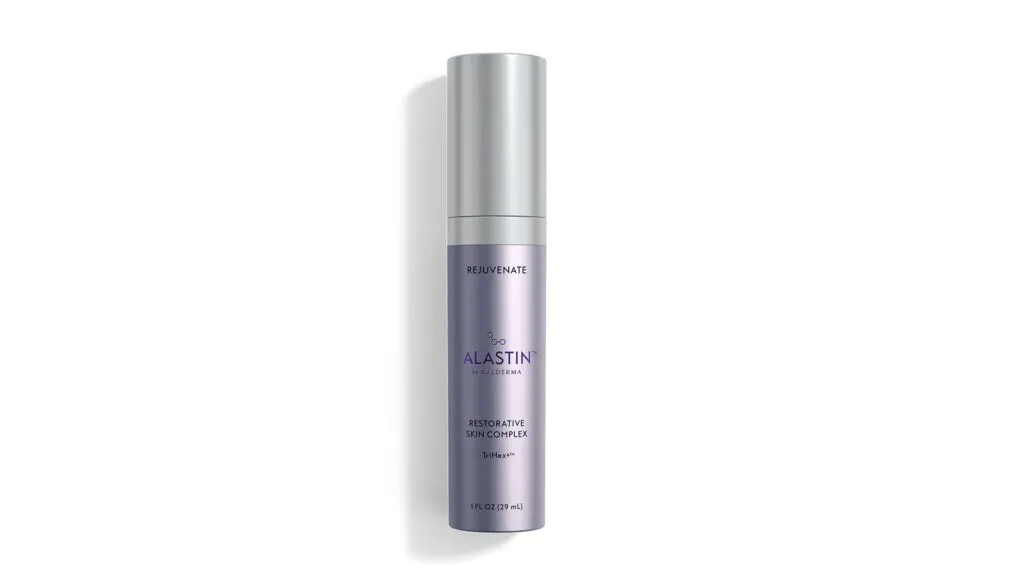
    Let’s be honest: as we get older, our skin demands more from us, but very few of us actually have the time (or patience) for an exhaustive 12-step skincare routine . The secret to an effective anti-aging regimen isn’t layering a dozen different products; it’s finding one exceptionally engineered formula that works overtime. Enter Alastin’s Restorative Skin Complex with TriHex+ Technology .

    Often referred to as the “holy grail” of mature skin care, this iconic serum has achieved legendary status in dermatology offices—even serving as a go-to recommendation for patients recovering from surgical facelifts . If you are looking to streamline your vanity without sacrificing clinical results, here is exactly why this complex is worth every penny.

    A Masterclass in Multitasking

    The beauty of the Restorative Skin Complex lies in its ability to target nearly every visible sign of aging simultaneously . Rather than forcing you to buy separate serums for wrinkles, dullness, and volume loss, this comprehensive formula tackles it all.

    According to clinical surveys, the results are practically unanimous. A staggering 100 percent of surveyed users agreed that their skin looked noticeably more youthful and reported a visible improvement in their fine lines and wrinkles after consistent use . Beyond just smoothing lines, the complex actively works to reverse dullness, correct uneven skin tone, and fortify the skin against future environmental damage .

    The Science of TriHex+ Technology

    So, how does one product do so much heavy lifting? The magic is in Alastin’s proprietary TriHex+ Technology . Recently upgraded, this advanced formulation now features Octapeptide-45, a powerful peptide blend designed to completely overhaul the skin’s structural foundation .

    This technology operates by clearing out old, damaged cellular debris to make room for new growth. It powerfully supports your skin’s natural ability to produce fresh, healthy collagen, elastin, and hyaluronic acid .

    Furthermore, the formula directly addresses one of the most notoriously difficult signs of aging to treat topically: skin thinning. By incorporating potent ingredients like L-ornithine and hexapeptide-38, the complex actively helps to restore lost volume, plumping up hollow contours for a visibly renewed, youthful complexion .

    Hydration and Protection in One

    Reversing past damage is only half the battle; defending your newly rejuvenated skin is equally crucial. This is why Alastin packed the formula with a robust shield of antioxidants, which aggressively protect the skin from free radical damage while simultaneously boosting its natural elasticity .

    To ensure the skin barrier remains perfectly quenched, the complex also features silver mushroom extract—a natural humectant that draws in moisture and ensures the skin maintains optimal hydration levels throughout the day .

    The “Velvet” Experience

    Potent clinical skincare often gets a bad reputation for feeling sticky, heavy, or smelling purely medicinal. The Restorative Skin Complex entirely breaks that mold with a deeply sensorial, luxurious application experience .

    The texture is famously smooth and silky, designed to melt seamlessly into the skin without leaving a greasy residue behind . Crucially, it plays exceptionally well with others, layering effortlessly under your daily moisturizer and sunscreen. As one ecstatic reviewer raved, “I can’t say enough about this product! It goes on like velvet, and my skin has never looked better.” Another noted that after years of searching, this was the very first product they found that actually helped lift their skin and fade stubborn wrinkles .

    If you are tired of playing chemist with your morning routine and want a single, powerhouse serum that delivers comprehensive, doctor-approved results, Alastin’s Restorative Skin Complex is your ultimate solution.

  • Ditching the Dark Shadows: A Dermatologist’s Guide to Brightening Your Underarms Before Summer

    Ditching the Dark Shadows: A Dermatologist’s Guide to Brightening Your Underarms Before Summer

    We’ve all experienced that frustrating mirror moment: you’ve showered, meticulously shaved, and moisturized, yet when you lift your arms, there’s still a noticeable, shadowy pigment lingering under there. Dark underarms are incredibly common, yet because they spark so much self-consciousness, they remain one of beauty’s least discussed topics .

    As summer approaches and tank tops make their way to the front of our closets, the panic to “fix” dark armpits usually sets in. But before you scrub your skin raw with a harsh DIY lemon-and-baking-soda paste (please don’t!), we consulted top board-certified dermatologists to uncover exactly what causes this stubborn discoloration and, more importantly, the scientifically proven ways to fade it .

    The Root Causes of the Shadow

    To effectively treat dark underarms, you first have to diagnose the “why.” According to the experts, the culprits usually fall into one of three categories:

    1. The Irritation Cycle
    For the vast majority of people, that dark shadow is actually a defensive response from your skin. “Dark underarms are most commonly caused by post-inflammatory hyperpigmentation, which occurs when the skin produces excess melanin after repeated irritation,” explains Southlake, TX dermatologist Dr. Janine Hopkins . The primary offenders? Aggressive, frequent shaving, constant friction from tight clothing, and irritating chemicals hiding in your favorite deodorants . Glenn Dale, MD dermatologist Dr. Valerie Callender adds that this irritation can sometimes escalate into contact dermatitis, bringing along uncomfortable itching and burning alongside the pigment .

    2. Biological Factors
    Sometimes, the cause is entirely internal. Dr. Hopkins notes that hormonal shifts, certain prescription medications, and even simple genetic predispositions play a major role . Furthermore, Dr. Callender emphasizes that for many people of color, a darkening of the armpit area is simply a “normal skin change.”

    3. Underlying Medical Conditions
    In some cases, dark underarms serve as an important warning light for your overall health. The discoloration could be a symptom of conditions like hidradenitis suppurativa or acanthosis nigricans . Acanthosis nigricans presents as thickened, velvety, darkened skin and is strongly associated with insulin resistance . As Delray Beach, FL dermatologist Dr. Janet Allenby points out, if an internal condition is the root cause, no amount of topical cream will work until the underlying health issue is addressed .

    How to Treat and Brighten

    Once you and your doctor have pinpointed the cause, you can formulate an attack plan. Here is the tiered approach experts recommend.

    1. The Pre-Emptive Strike: Laser Hair Removal

    If your discoloration is tied to shaving, the best solution is to put down the razor permanently. Dr. Callender and Dr. Hopkins both highly recommend laser hair removal as a foundational step . “Laser hair removal can play an important role by minimizing one of the most common drivers of underarm discoloration—chronic irritation from repeated shaving,” says Dr. Hopkins .

    2. At-Home Chemical Interventions

    Forget harsh physical scrubs; chemical exfoliation is the key to smooth, bright pits. “Incorporating chemical exfoliants such as lactic acid or glycolic acid can accelerate cellular turnover, while brightening ingredients like niacinamide, azelaic acid, tranexamic acid and cysteamine help regulate melanin production safely,” explains Dr. Hopkins .

    Dr. Allenby is a personal fan of the Neova 5-Second Daily Peel ($98) for quick exfoliation, and recommends the Ourself Complexion Brightening Serum ($189) for her patients .

    If your darkening is caused by contact dermatitis (an allergic reaction to your deodorant), Dr. Callender advises immediately switching to a gentle, fragrance-free option like Dove Sensitive Antiperspirant Deodorant ($8) . She suggests applying an over-the-counter cortisone cream to calm the inflammation first; only once the irritation has completely resolved should you introduce brightening agents like hydroquinone or Melasyl .

    3. In-Office Power Moves

    For stubborn hyperpigmentation that resists at-home care, dermatologists bring out the heavy machinery. According to a 2025 systematic review, Dr. Hopkins notes that the absolute most effective treatment is a combination approach: mixing topical therapies with energy-based devices . Q-switched Nd:YAG lasers and IPL (Intense Pulsed Light) devices have proven incredibly successful at reducing pigment safely in select skin types .

    Alternatively, Dr. Allenby frequently turns to potent professional chemical treatments, such as the PRX Derm Perfexion (formerly PRX-T33) or the Chrysalis Peel System, to rapidly lift discoloration and reveal an even tone .

    The path to brighter underarms requires patience and a gentle touch. By swapping aggressive habits for targeted ingredients and professional guidance, you can confidently raise your arms all summer long.

  • We Surveyed 1,300 Beauty Enthusiasts: Here Are the Top Skin Concerns Actually Bothering Women Today

    We Surveyed 1,300 Beauty Enthusiasts: Here Are the Top Skin Concerns Actually Bothering Women Today

    When you scroll through the endless stream of beauty tutorials on social media, it can feel like everyone else has perfectly glass-like, poreless skin while you are the only one battling dark spots and breakouts. But the truth is, the pursuit of a flawless complexion is a universal struggle.

    To find out exactly what is really bothering women when they look in the mirror, NewBeauty recently surveyed over 1,300 dedicated readers . The data provides a fascinating, unfiltered look at our collective aesthetic anxieties. The best part? For every concern raised, the science of skincare has an answer. Here is a breakdown of the top skin issues dominating the beauty space today, and exactly which ingredients you need to fix them.

    The Undisputed Number One: Anti-Aging (87.2%)

    If you are constantly analyzing your face for new fine lines, you are in overwhelming company. A massive 87.2 percent of respondents cited signs of aging and wrinkles as their absolute primary skincare concern .

    The Fix: You need ingredients that actively rebuild the skin’s structural foundation. Retinol remains the undisputed gold standard for accelerating cell turnover and smoothing lines . However, for a comprehensive anti-aging strategy, dermatologists highly recommend layering your routine with collagen-boosting peptides and regenerative growth factors to truly plump and firm the skin from within .

    The Fight for Radiance: Dullness (48.8%)

    Coming in second place, nearly half of all readers reported struggling with lackluster, tired-looking skin . Dullness occurs when dead skin cells pile up on the surface, preventing light from reflecting off your face.

    The Fix: The secret to reclaiming your glow is intelligent exfoliation. Incorporating chemical exfoliants like alpha-hydroxy acids (AHAs)—specifically glycolic or lactic acid—will gently dissolve the glue holding those dead cells together, instantly revealing the fresh, radiant skin hiding underneath .

    The Discoloration Battle: Pigmentation (47.9%)

    Right behind dullness is the incredibly frustrating issue of hyperpigmentation. Whether it’s lingering sun damage, melasma, or post-acne marks, nearly 48 percent of readers are actively trying to fade dark spots and achieve an even skin tone .

    The Fix: Your first line of defense is a potent Vitamin C serum . This powerful antioxidant not only brightens existing spots but forms a shield to prevent future UV damage . For stubborn pigmentation, boost your routine by layering in heavy-hitting tyrosinase inhibitors like niacinamide, tranexamic acid, or kojic acid .

    The Tactile Troubles: Texture (44.7%) & Dryness (43.8%)

    A significant portion of readers are frustrated by how their skin actually feels. Over 44 percent are battling rough, bumpy surface texture, while almost 44 percent are fighting a constant state of parched, persistent dryness .

    The Fix: For texture issues, a multi-pronged approach works best. Regular use of AHAs or BHAs (salicylic acid) will physically smooth the surface, while barrier-building ingredients like ceramides and niacinamide ensure the skin remains resilient .

    If dryness is your nemesis, you must go beyond basic surface creams. You need humectants like hyaluronic acid to aggressively pull water deep into the skin, followed immediately by rich ceramides and fatty acids to physically lock that hydration in place .

    The Persistent Frustrations: Acne and Sensitivity

    It turns out, breakouts don’t stop at graduation. Over 21 percent of readers are still fighting active acne, while a nearly equal 20.8 percent are navigating the tricky waters of highly sensitive, easily irritated skin .

    The Fix: For adult acne, the classic, tried-and-true duo of salicylic acid (to clear pores) and benzoyl peroxide (to kill bacteria) remains highly effective . Conversely, if you have sensitive skin, your entire routine should focus on calming inflammation. Look exclusively for soothing botanical powerhouses like centella asiatica (cica), green tea extract, and allantoin .

    The Bottom Line

    If your bathroom cabinet is overflowing with products targeting three or four of these issues simultaneously, don’t worry—that is perfectly normal . These concerns frequently overlap; for instance, dryness often exacerbates fine lines, and acne directly leads to pigmentation. The ultimate key to achieving your best skin isn’t finding one miracle cure, but rather carefully combining these proven ingredients and, most importantly, remaining consistent with your routine .

  • Beyond Red and Blue: Why Green Light Therapy is the Secret to Even, Glowing Skin

    Beyond Red and Blue: Why Green Light Therapy is the Secret to Even, Glowing Skin

    If you have even a passing interest in modern skincare, you are likely already familiar with the glowing, futuristic masks of LED light therapy. Most of us know the basic color code by heart: red light dives deep to stimulate collagen and iron out wrinkles, while blue light stays on the surface to kill acne-causing bacteria . But what about the middle of the spectrum?

    While it rarely gets the viral TikTok fame of its red and blue siblings, green light therapy is quietly becoming the secret weapon of top aestheticians for achieving a flawless, even complexion . If you struggle with hyperpigmentation, stubborn redness, or broken capillaries, it is time to put green light on your radar.

    We consulted two master aestheticians to break down exactly how this lesser-known hue works and why you need to incorporate it into your routine.

    The “Goldilocks” of Light Therapy

    To understand why green light is so uniquely effective, you have to understand how LED technology interacts with our anatomy. Aesthetician Samantha Susca explains that each specific color of light represents a completely different wavelength, which dictates exactly how far it can physically penetrate into the skin .

    Red light reaches the deepest layers (around 630-700 nanometers) to trigger cellular repair, while blue light (400-500 nm) operates very superficially . Green light is the ultimate middle ground.

    “Green light penetrates the skin anywhere between 520 and 545 nm to reach the superficial layers of the dermis,” Susca notes . This “Goldilocks” depth means the green light is targeting a highly specific, crucial layer of skin that is simply too shallow for the red light to focus on, but far too deep for the blue light to ever reach .

    Fading Dark Spots at the Source

    So, what exactly happens when light hits that mid-dermal layer? For anyone battling an uneven complexion, pure magic.

    Unlike red light’s focus on structural aging, green light therapy is the undisputed champion of tone correction. “Green light targets pigmentation and discoloration to ultimately reduce hyperpigmentation,” explains aesthetician Edyta Jarosz .

    It achieves this by actively normalizing the skin’s pattern of melanin production . By calming down the overactive melanocytes (the cells responsible for producing pigment), green light effectively breaks up existing dark spots and prevents new ones from forming. The result is a significantly brighter, more uniform complexion .

    Calming the Storm: Rosacea and Capillaries

    The benefits of reaching this mid-level of the dermis extend far beyond fading sunspots. Susca points out that the targeted depth of green light significantly improves a multitude of cellular functions, most notably vasodilation (the widening of blood vessels) .

    Because it operates right where our superficial blood vessels live, green light is incredibly effective at calming the vascular reactivity that causes chronic facial flushing . This makes it a highly sought-after, non-invasive treatment for reducing the harsh, visible signs of rosacea and minimizing the appearance of broken capillaries .

    How to Get Glowing at Home

    The best part about LED therapy is that you don’t need to visit a clinic to reap the benefits; at-home devices are incredibly effective. However, the golden rule of any LED treatment is consistency. “Since LED therapy works on a cellular level, consistent use is essential,” warns Jarosz .

    Your Green Light Protocol:

    • Start Fresh: Just like red light therapy, you must always begin your session with completely clean, bone-dry skin . Any serums or moisturizers applied beforehand can block the light from penetrating effectively.
    • Commit to a Schedule: Susca recommends starting with a minimum of three treatments per week, though she notes you can safely increase that to six times a week if you prefer a more aggressive approach .
    • Be Patient: Real cellular change takes time. The experts state that with consistent use, you will likely notice a visibly more even skin tone around the four-week mark, with the maximum brightening effects peaking around six weeks .

    If you feel like your skin is structurally sound but looks continuously dull, red, or uneven, it might be time to skip the red and go for the green.

  • Why Supermodel Linda Evangelista Actually Considers Her Melasma a “Gift”

    Why Supermodel Linda Evangelista Actually Considers Her Melasma a “Gift”

    For most people, the sudden appearance of melasma—the stubborn, dark patches of hyperpigmentation that often flare up across the face—is a massive source of frustration. Yet, for 59-year-old supermodel Linda Evangelista, this notoriously difficult skin condition turned out to be the exact intervention she needed.

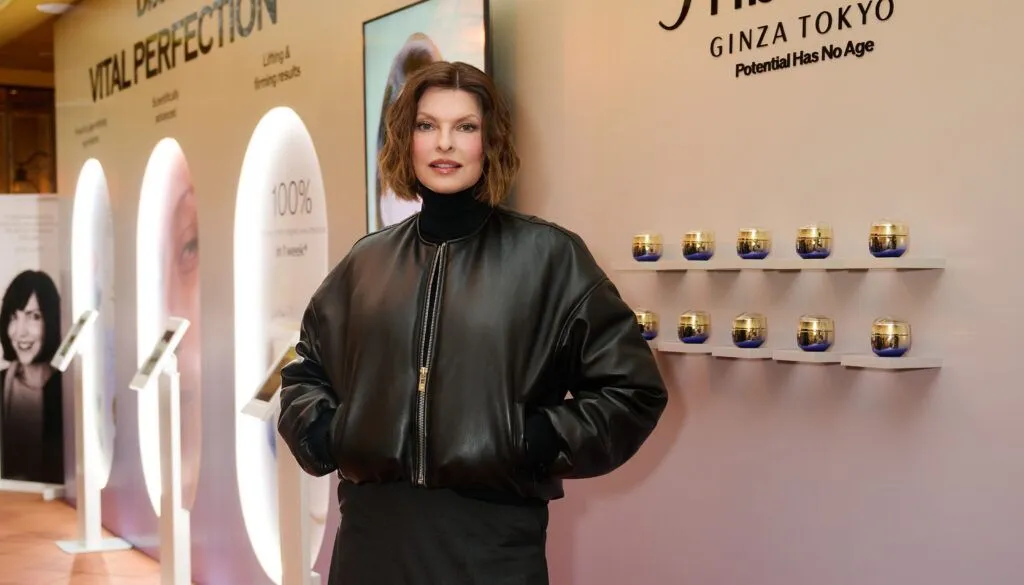
    During a recent, illuminating summit hosted by SHISEIDO titled “Potential Has No Age,” Evangelista sat down with fashion icon Jenna Lyons for a deeply honest conversation about the complexities of aging, beauty, and power . Anchored around the brand’s Vital Perfection line, the discussion yielded several surprising revelations, but none more so than Evangelista declaring her struggle with melasma to be one of the greatest gifts aging has given her .

    The Turning Point at 33

    Evangelista has been navigating the intense, public scrutiny of her appearance since the pre-social media days of the 90s supermodel boom, noting that her feelings around aging remain incredibly complex . However, when asked to name a specific “gift” that getting older has brought her, she didn’t hesitate to point to her skin condition.

    “At the age of 33, suddenly I developed melasma, and that kept me out of the sun,” she revealed to the audience .

    Rather than viewing the dark spots as a curse, Evangelista recognized them as a crucial wake-up call that fundamentally changed her lifestyle. “My face has not seen the sun since I was 33,” she emphasized . Prior to the diagnosis, she admitted to indulging in unsafe tanning practices, completely unaware of the long-term havoc she was wreaking on her cellular health. “I didn’t know the damage I was doing, so the melasma was a gift because since I was 33 I started practicing sun safety.”

    By forcing her out of the sun and into the shade, that early bout of hyperpigmentation likely saved her from decades of severe photo-aging and potential skin cancer down the line.

    A Believer in Science and Transparency

    While her sudden commitment to sun protection was sparked by melasma, Evangelista’s dedication to skin health goes far beyond SPF. She is unapologetically enthusiastic about the modern advancements in aesthetic medicine.

    “It makes me feel good to indulge in beauty routines, and I believe in research and development and clinicals behind great skin care,” she stated . Rather than pretending her legendary bone structure alone does all the heavy lifting, she is fully transparent about seeking professional help. “I believe in my doctors and dermatologists as long as I know what I’m getting into and it’s safe. I believe in some light lasers and some help from the dermatologists.”

    For Evangelista, there is absolutely no shame in utilizing the tools available to us today. As she pragmatically pointed out to the crowd, “Why use a cream without benefits when you can use a cream with benefits?”

    Redefining “Aging Gracefully”

    Ultimately, Evangelista’s perspective perfectly captures the modern aesthetic ethos: you don’t have to choose between embracing your age and wanting to look fantastic.

    “Aging is the most natural part of the cycle of life,” she acknowledged . Yet, she refuses to let that natural cycle mean she must simply give up on her appearance. Her philosophy is simple, honest, and incredibly relatable. “Like I said, I want to age, but I want to look good along the way, and I’m going to tell the truth.”

    If the truth means avoiding the sun at all costs and utilizing a few great lasers along the way, we’d say her strategy is working flawlessly.